The trip westward in the Florida Keys along the Overseas Highway this year with an effort to observe and photograph wildlife continued all too quickly though remained very rewarding.
The Roseate Tern above was photographed at Marathon Government Center in June 2014.
Tom Obrock and I made a brief stop at Marathon Government Center in Vaca Key. I learned in my research for this article that Vaca Key is often mistakenly referred to as Marathon Key which I am guilty of perpetuating in the past.
The Roseate Tern above was photographed at Marathon Government Center in June 2014.
The Scarlet Skimmer above was photographed at Fort Zachary Taylor Historic State Park in June 2014.
My target species at the center was Roseate Tern which were not present upon our arrival. Needless to say I was very disappointed, but the birds appeared within ten minutes. I am sure I will get in the water to get a better view of this species next year.
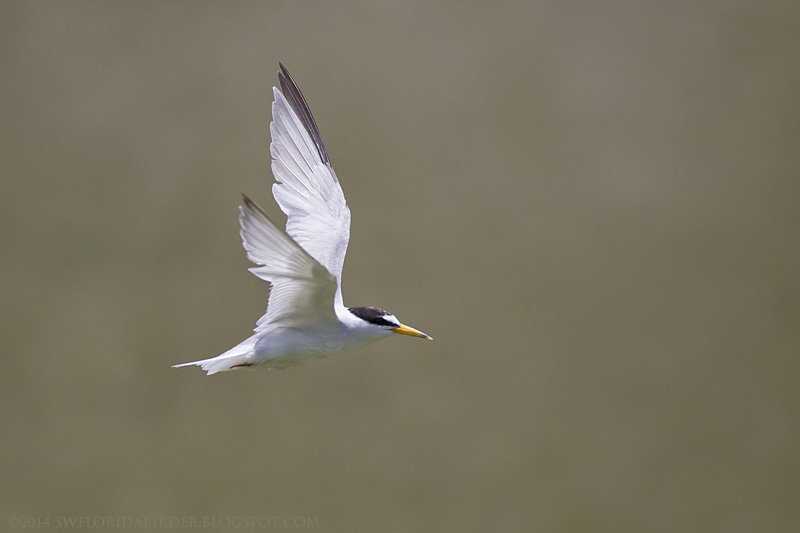
The Least Tern above was photographed at Fort Zachary Taylor Historic State Park in June 2014.
The immature Tricolored Heron chased by Red-winged Blackbird above was photographed at Fort Zachary Taylor Historic State Park in June 2014.
Our next stop was
Fort Zachary Taylor Historic State Park where I was captivated by a small number of Least Terns that would periodically make flights around the fort and moat which made for some very challenging photography.
The Least Tern above was photographed at Fort Zachary Taylor Historic State Park in June 2014.
The Least Tern above was photographed at Fort Zachary Taylor Historic State Park in June 2014.
As Tom and I did not have a precisely planned route to follow we made an unexpected turn into Middle Torch Key for our only observation of
Key deer on this trip. A pair of Black-whiskered Vireo here captivated most of my attention for hopefully improved images over previous personal efforts.
The Common Grackle above was photographed at Fort Zachary Taylor Historic State Park in June 2014.
The Black-whiskered Vireo above was photographed at Middle Torch Key in June 2014.
A stop was made at Marathon Airport near sunset for observation of Antillean Nighthawks that have been seen with reliability every year Tom has led me here. It was unfortunate that the nighthawks remained so distant for photography this visit.
The Black-whiskered Vireo above was photographed at Middle Torch Key in June 2014.
The Black-whiskered Vireo above was photographed at Middle Torch Key in June 2014.
The following morning Tom attempted to give me a wake up call. My room had a new refrigerator while I could not figure out how to adjust the volume of the television with the remote control. I'm compelled to recommend you only use
Kingsail Motel if you must while the staff are very good.
The Black-whiskered Vireo above was photographed at Middle Torch Key in June 2014.
The Black-whiskered Vireo above was photographed at Middle Torch Key in June 2014.
From Vaca Key we were on the road at 0500 to meet up with the Yankee Freedom III which would take us to Garden Key, Fort Jefferson and the Dry Tortugas. Tom and I arrived early for the launch which was OK with me to be on the safe side.
The aircraft above was photographed at Marathon airport in June 2014.
The Antillean Nighthawk above was photographed at Marathon airport in June 2014.
The trip from Key West to Garden Key aboard the
Yankee Freedom III was an experience within itself as the boat made a swift journey across the near 70 miles of waters wrought with history of shipwrecks and mystery.
The sunset above was photographed at Marathon airport in June 2014.
The scene above was photographed near Key West in June 2014.
A boat operated by the company of the late treasure hunter
Mel Fisher which appeared to be searching for sunken treasure was seen while en route to the Dry Tortugas and was a reminder that the moon, tides, and weather destroys and rebuilds several of the key islands at Dry Tortugas National Park with regularity.
The scene above was photographed near Key West in June 2014.
The scene above was photographed near Key West in June 2014.
The enormity of Fort Jefferson at Garden Key allows for a view of it miles away. My starboard and stern position on the boat also allowed for an accommodating view of Hospital Key where upwards of a few dozen Masked Booby were resting as we passed by.
The Mel Fisher boat above was photographed en route to Garden Key in June 2014.
The scene above was photographed en route to Garden Key in June 2014.
It was noted by Yankee Freedom III employee Ryan that Loggerhead turtle and Masked Booby struggle with their nesting efforts as the islands they make use of become inundated by the Gulf of Mexico waters before eggs are viable.
The Laughing Gull above was photographed en route to Garden Key in June 2014.
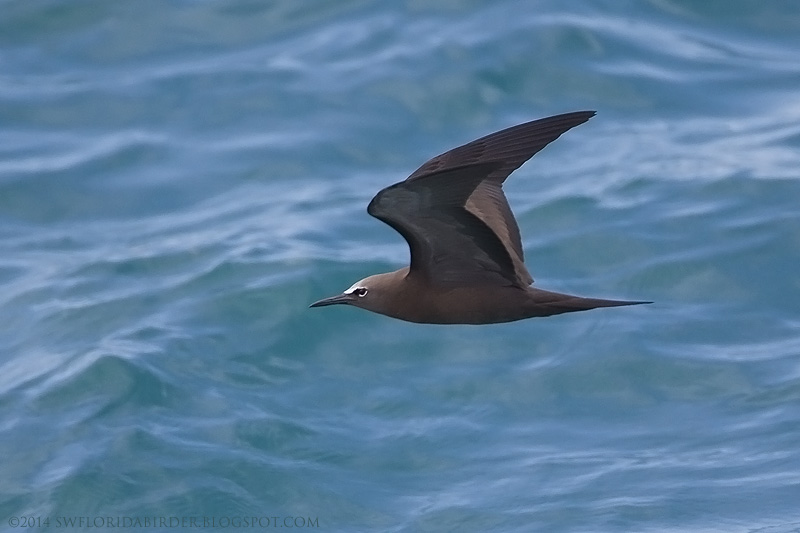
The Brown Noddy above was photographed adjacent to Garden Key in June 2014.
The lighthouse at Loggerhead Key three miles distant from the South Coaling Ruins at Fort Jefferson was a very impressive sight. A journey to that light with an assist of
Wes Biggs' Florida Nature Tours would allow a tour of Loggerhead Key which is not possible directly from the Yankee Freedom III.
The Masked Booby above was photographed at Hospital Key in June 2014.
The Loggerhead Key Lighthouse (three miles distant) above was photographed from Garden Key in June 2014.
Well, I'm getting ahead of myself. Setting foot on land after the near 70 mile journey from Key West was very welcome.
The Brown Noddy above was photographed at Garden Key in June 2014.
The seaplane above was photographed at Garden Key in June 2014.
I couldn't help but focus on the countless hundreds if not thousands of birds including Brown Noddy and Sooty Tern that were in flight above Bush Key that was connected to Garden and Long Keys on this visit.
The Brown Noddy above was photographed at Garden Key in June 2014.
The south coaling dock ruins above were photographed at Garden Key in June 2014.
With the Sooty Tern and Brown Noddy nearly obstructing a view of the sky over Bush Key and Long Key where the nesting of those species is protected I considered and attempted to circumvent the restriction of the land.
The seaplane above was photographed at Garden Key in June 2014.
The seaplane above was photographed at Garden Key in June 2014.
The water at the edge of Bush Key was surprisingly cool and dropped off a little more quickly than I felt comfortable with. Considering the risk, I thought of Tom and his comment that there was a lot to explore at this wondrous place.
The scene above was photographed at Garden Key in June 2014.
The scene above was photographed at Garden Key in June 2014.
Though I could have stayed at the edge of Bush Key (in shallower water) for hours, I was compelled to follow Tom to the North Coaling Dock ruins where hundreds more Brown Noddy could be studied at surprisingly close range.
The Magnificent Frigatebird above was photographed at Garden Key in June 2014.
The juvenile Sooty Tern above was photographed at Garden Key in June 2014.
The sight of the beauty in every direction at the Dry Tortugas was inebriating.
The Brown Noddy above was photographed at Garden Key in June 2014.
Please also see:
Miami And Florida Keys June Wildlife Tour Part I
Please also see:
Miami And Florida Keys June Wildlife Tour Part III