On the late afternoon of 27 December 2013, Eric and Georgia Pourchot made the initial reported sighting of an immature female Snowy Owl at Little Talbot Island State Park in Jacksonville, Florida.
The Snowy Owl above was photographed at Little Talbot Island State Park in January 2014.
The only previous confirmed record of North America's largest owl, the Snowy Owl, occurred in Florida at St. George Island State Park in December 1999. I believe a January 2012 record noted in other articles to be in error as I could not confirm the sighting with Vince McGrath nor Tom Obrock. This extremely rare bird species to be seen in Florida, with its second record for the state, is needless to say attracting a lot of attention. A large scale fledging of Snowy Owls may explain why this bird is here. While the northern fringes of Alaska, Canada, Greenland, Scandinavia, and Russia are where Snowy Owls are commonly observed during the nesting season, the birds typically work their way into lower Canada and Eurasia in the winter months. There have been numerous reported sightings of Snowy Owl much further south of their normal range in recent years. As of this writing, Wikipedia notes Snowy Owl to have been observed as far south as Georgia in the United States. In November 2013 a weather system brought a Snowy Owl to the Islands of Bermuda where the bird was observed for nearly a month up until its demise. An investigation is underway to determine the cause of the Bermuda Snowy Owl death which is unknown as of this writing.
The Snowy Owl above was photographed at Little Talbot Island State Park in January 2014.
With the opportunity to observe the species for the first time myself, I made the long drive from Fort Myers to Little Talbot Island State Park on the morning of 3 January 2014. Unfamiliar with the area, I made use of my aging GPS device for guidance. The machine was insistent that I take the Saint Johns River Auto Ferry from Mayport Village to Fort George Island (the ferry was closed for routine inspection by the US Coast Guard). So as a result, I was lost in the area of Fort Caroline for over an hour. I finally arrived at Little Talbot Island State Park with the temperature near freezing. The wind was wicked from the NNE which made the conditions even more uncomfortable. Several layers of clothing, a hat, gloves, and a jacket were not especially helpful. After making my sighting of the owl I quickly began to succumb to the affect of the cold. My fingers became numb and I began shivering within minutes of exposure. I stayed with the bird and about a dozen fellow intrepid observers for about 45 minutes. Please be sure to read eBird's excellent article, The winter of the Snowy Owl, at North American Birding. In my research of the Snowy Owl, misinformation was discovered within a GrrlScientist article hosted by The Guardian. The article implies that the late 2013 Snowy Owl irruption included a Snowy Owl in Hawaii. This record actually occurred in late 2011 with the bird dispatched to a museum after fear of potential harm to aircraft at Honolulu International Airport in January 2012. Please advise of any inadvertent misinformation that may exist within this blog.
The Snowy Owl above was photographed at Little Talbot Island State Park in January 2014.
During the time of my Snowy Owl observation at Little Talbot Island State Park in Jacksonville, Florida, I concluded that the owl showed no signs of distress as was earlier reported. It appeared perfectly healthy to me although admittedly not able to make a comparison with a previous observation of the species. In fact, the Snowy Owl was very alert as it hunkered down with an overflight of a juvenile Bald Eagle. The owl seemed to favor a patch of grass which I believe is where it had been regurgitating pellets from its meals. What species the Snowy Owl had been sustaining itself with at Little Talbot is unknown to me. The Wikipedia page on the Snowy Owl has a remarkable photograph of the species in flight with an American Black Duck in its talons. It was my intent on this trip to additionally observe and photograph a Harlequin Duck, another rarity at Fort Clinch State Park further to the north. However, I became unable to effectively work the controls of the camera. Inquiring what a fellow visitor to Little Talbot was looking at over the waters of the Atlantic Ocean, I made my first sighting of a Northern Gannet unfortunately much too distant to feebly photograph. A Northern Harrier observed while I was leaving the park was possibly the same seen by Eric and Georgia on their 27 December visit. After exposure to the frigid conditions, I desperately needed warmth in the car. Although this trip was initially planned with an overnight layover, I drove home that same morning. While the images presented in this article are heavily cropped, it was well worth the trip for the observation made.
The immature Bald Eagle above was photographed at Little Talbot Island State Park in January 2014.
The Snowy Owl above was photographed at Little Talbot Island State Park in January 2014.
The Snowy Owl remained at Little Talbot Island State Park at least through 9 January 2014 as had been reported.
The Snowy Owl above was photographed at Little Talbot Island State Park in January 2014.
Showing posts with label florida state parks. Show all posts
Friday, January 10, 2014
Friday, June 28, 2013
Florida Keys And A Marvel In June
A midnight departure was made for an early summer trip along the Overseas Highway that leads to the southernmost point in the continental United States in Key West.
The Gumbo Limbo tree above was photographed at John Pennekamp Coral Reef State Park (Wild Tamarind Trail) in June 2013.
I met up with bud Tom Obrock for travel at the unusual hour to arrive at Fort Zachary Taylor Historic State Park at sunrise. The park wouldn't allow access until 8:00am as is normally the case with all Florida State Parks without a special permit. It was a disappointment not to see some of the recently reported rare wildlife observed at this park, but it was an opportune time to see White-crowned Pigeon that allowed better images to improve upon a previous personal effort.
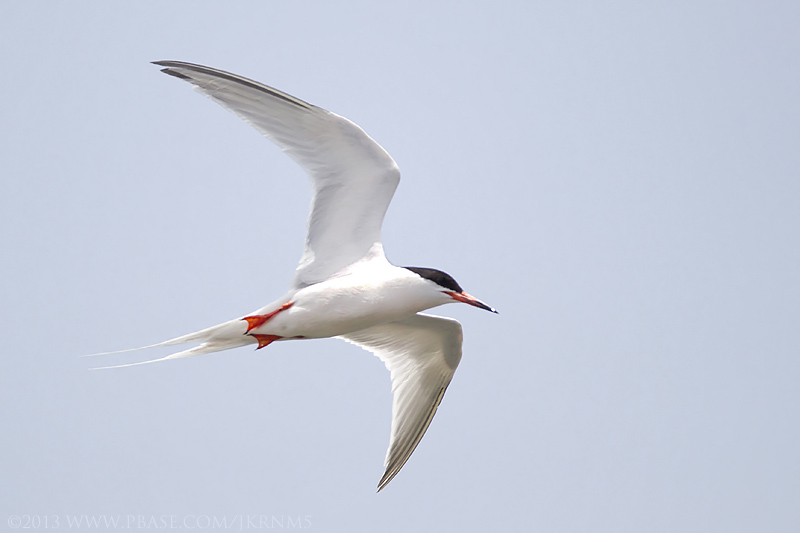
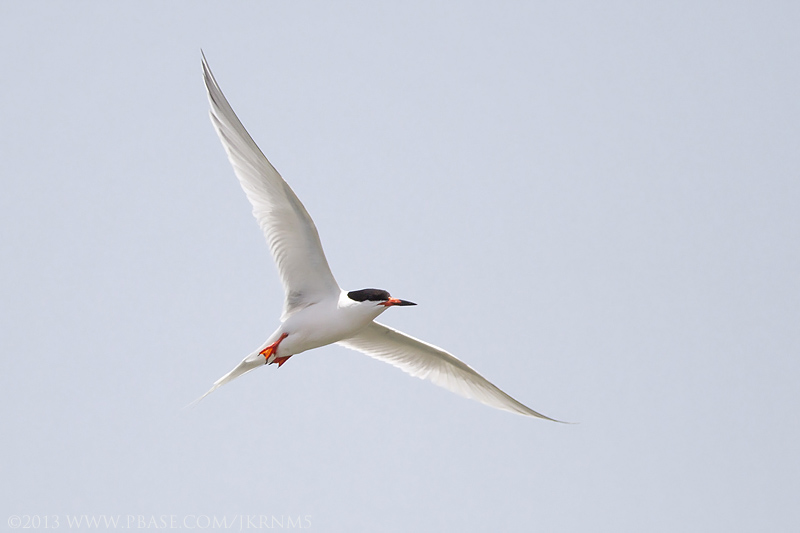
The Least Tern above was photographed at Fort Zachary Taylor Historic State Park in June 2013.
The Eurasian Collared-Dove above was photographed at Fort Zachary Taylor Historic State Park in June 2013.
The White-crowned Pigeon above was photographed at Fort Zachary Taylor Historic State Park in June 2013.
Tom Obrock above was photographed at Fort Zachary Taylor Historic State Park in June 2013.
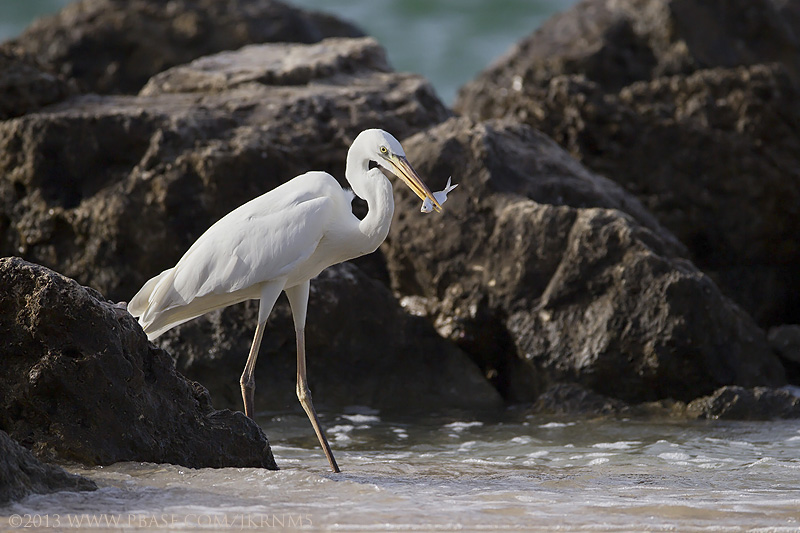
The Great White Heron (White morph of Great Blue Heron) above was photographed at Fort Zachary Taylor Historic State Park in June 2013.
A highlight for me was observation of Great White Heron (white morph of Great Blue Heron) which I believe was my first sighting of the sub-species. The early arrival at Fort Zachary allowed a leisurely trip back home along the Overseas Highway and beyond that would last a good portion of two days. Tom's account of our trip may be seen and read here. Our next stop, which was unplanned, brought us to Little Torch Key. Tom readily identified the calls of the birds for me here while the birds remained for the most part out of sight.
The Great White Heron (White morph of Great Blue Heron) above was photographed at Fort Zachary Taylor Historic State Park in June 2013.
The invasive Brown Anole on a butterfly house above was photographed at Fort Zachary Taylor Historic State Park in June 2013.
The Red-bellied Woodpecker above was photographed at Fort Zachary Taylor Historic State Park in June 2013.
The juvenile White-crowned Pigeon above was photographed at Fort Zachary Taylor Historic State Park in June 2013.
We next traveled to No Name Key to observe Key Deer in good numbers. It was on this fifth or sixth trip I've made to the Keys that I finally observed the endangered mammal. On No Name Key I finally got a decent image of Black-whiskered Vireo. Our next stop was Bahia Honda State Park where Tom and I primarily observed shorebirds on the wrackline. I very much regret not using the camera at this park. The beach offered some good shorebirds while they were few in numbers. If Tom was not with me I would have gone in the water.
The Magnificent Frigatebird above was photographed at Fort Zachary Taylor Historic State Park in June 2013.
The White-crowned Pigeon above was photographed at Fort Zachary Taylor Historic State Park in June 2013.
The Magnificent Frigatebird above was photographed at Fort Zachary Taylor Historic State Park in June 2013.
The White-crowned Pigeon above was photographed at Fort Zachary Taylor Historic State Park in June 2013.
Our next stop was at the Marathon Government Complex in hopes of observing Roseate Terns. There was no disappointment there with a couple dozen of the species consuming the lion's share of photographs I would take on this journey. Master wildlife photographer Artie Morris brought to my attention that the birds Tom and I observed were possibly Caribbean Roseate Tern verses North Atlantic Roseate Tern, the latter of which Artie was observing at Great Gull Island in early June 2013. Artie's conclusion is based on the fact that the Marathon terns had partially red bills late in the nesting season.
The U.S. Coast Guard vessel above was photographed at Fort Zachary Taylor Historic State Park in June 2013.
The watercraft above was photographed at Fort Zachary Taylor Historic State Park in June 2013.
The MS Majesty of the Seas above was photographed at Fort Zachary Taylor Historic State Park in June 2013.
At least several of the Roseate Terns observed in Marathon were banded with their origin at the time of this publication unknown. In my research of Roseate Terns, I discovered that Ruddy Turnstones and American Oystercatchers favor Roseate Tern eggs as a food source. Our next stop was to check into our rooms at the Kingsail Motel in Marathon which were decent accommodations. Closer to sunset Tom and I visited the Marathon Airport with hopes of observing Antillean Nighthawk which made their appearance later than I had hoped. With overcast conditions and low light, it made for extremely challenging photography of the species. The nighthawks also chose to stay very distant for the most part.
The MS Majesty of the Seas above was photographed at Fort Zachary Taylor Historic State Park in June 2013.
The Common Iguana above was photographed at Little Torch Key in June 2013.
The Key Deer above was photographed at No Name Key in June 2013.
The following morning we made our way east and toward the mainland with an initial stop at Long Key State Park. Here we made a walk along Golden Orb Trail. Again, I had the lack of foresight in bringing the camera along as I thought the trail was too constrained for long lens photography. The trail opened up into an area that reminded me of Estero Bay Preserve State Park in Fort Myers. At this point I was reluctant to go back for the camera. The trail offered good photo-ops for butterflies, a few species of which I had not seen before.
The Key Deer above was photographed at No Name Key in June 2013.
The Black-whiskered Vireo above was photographed at No Name Key in June 2013.
The Turkey Vulture above was photographed at No Name Key in June 2013.
We continued on along the Overseas Highway to John Pennekamp Coral Reef State Park where we walked a couple of trails, and were very surprised to find the disrepair of a boardwalk there. Further along the northeast journey we stopped at North Key Largo's Dagny Johnson Key Largo Hammock Botanical State Park. My Great Florida Birding and Wildlife Trail guide describes warblers dripping from the trees here during migration.
The Roseate Tern above was photographed at Marathon Government Center in June 2013.
The banded Roseate Tern above was photographed at Marathon Government Center in June 2013.
The Roseate Tern above was photographed at Marathon Government Center in June 2013.
There were no warblers at all observed as expected, but I did have good fortune in photographing Yellow-billed Cuckoo. I had seen the Mangrove Cuckoo for the first time at this near exact same place last year with the guidance of eminent southwest Florida Private Birding Guide, Vince McGrath, but failed to photograph the species at that time. On this occasion I had one of the most remarkable observations of wildlife in action. The cuckoo at one point made a bee line nearly directly 20 feet up from the confines of a camouflaged position in a tree to attempt to capture an insect which I think was a dragonfly. I had five seconds to get the shot, but chose to observe the action in awe of the birds' behavior, with no chance to photograph the action.
The Roseate Tern above was photographed at Marathon Government Center in June 2013.
The banded Roseate Tern above was photographed at Marathon Government Center in June 2013.
The Roseate Tern above was photographed at Marathon Government Center in June 2013.
While butterflies were a photo-op at this park as well, it must be noted that great patience would have been required to photograph them all as they landed on vegetation infrequently.
The Roseate Tern above was photographed at Marathon Government Center in June 2013.
The Laughing Gull above was photographed at Marathon Government Center in June 2013.
The Brown Pelican above was photographed at Marathon Government Center in June 2013.
The Roseate Tern above was photographed at Marathon Government Center in June 2013.
Traveling further, a less than quick find was made of Common Myna near downtown Homestead with virtually no other birds present. Unexpectedly we found a lack of parrots (really without looking in this area). A must visit venue was our last stop in the area of Lucky Hammock. I had read a couple of years of Tom's reports from this venue in years past before I made my first visit. A great place it is for observations at any time of year we found on this trip.
The Roseate Tern above was photographed at Marathon Government Center in June 2013.
The Black-necked Stilt with White Ibis above was photographed at Marathon Airport in June 2013.
The Black-necked Stilt above was photographed at Marathon Airport in June 2013.
The Short-billed Dowitcher above was photographed at Marathon Airport in June 2013.
While I thought it possible the White-tailed Kite might be present in this area, it remained unseen though a Northern Bobwhite was heard. A drive was made directly by Lucky Hammock and beyond with hope for the kite. Later, the car was parked in the area where the bobwhite was initially heard as we made a rebound.
The U.S. Coast Guard aircraft (landing) above was photographed at Marathon Airport in June 2013.
The Antillean Nighthawk above was photographed at Marathon Airport in June 2013.
The Great-crested Flycatcher above was photographed at John Pennekamp Coral Reef State Park in June 2013.
The Common Iguana above was photographed at John Pennekamp Coral Reef State Park in June 2013.
With the windows of the car down, I was insistent that I heard the bobwhite to the left, while Tom was as much saying the bird was to his right. I got out of the car to find that the Northern Bobwhite was nearly directly ahead of us. The bobwhite allowed me a chance photograph it in a tree which was my first opportunity for this species after hearing it countless times. This was the overall highlight of the trip for me which I consider a marvel.
The Yellow-billed Cuckoo above was photographed at Dagny Johnson Key Largo Hammock Botanical State Park in June 2013.
The Zebra Longwing above was photographed at Dagny Johnson Key Largo Hammock Botanical State Park in June 2013.
The Julia Butterfly above was photographed at Dagny Johnson Key Largo Hammock Botanical State Park in June 2013.
The Common Nighthawk above was photographed near Lucky Hammock in June 2013.
Explore this habitat extensively if you can.
The Northern Bobwhite above was photographed near Lucky Hammock in June 2013.
Special thanks to Seagull Steve for correcting my misidentification of the cuckoo.
The Gumbo Limbo tree above was photographed at John Pennekamp Coral Reef State Park (Wild Tamarind Trail) in June 2013.
I met up with bud Tom Obrock for travel at the unusual hour to arrive at Fort Zachary Taylor Historic State Park at sunrise. The park wouldn't allow access until 8:00am as is normally the case with all Florida State Parks without a special permit. It was a disappointment not to see some of the recently reported rare wildlife observed at this park, but it was an opportune time to see White-crowned Pigeon that allowed better images to improve upon a previous personal effort.
The Least Tern above was photographed at Fort Zachary Taylor Historic State Park in June 2013.
The Eurasian Collared-Dove above was photographed at Fort Zachary Taylor Historic State Park in June 2013.
The White-crowned Pigeon above was photographed at Fort Zachary Taylor Historic State Park in June 2013.
Tom Obrock above was photographed at Fort Zachary Taylor Historic State Park in June 2013.
The Great White Heron (White morph of Great Blue Heron) above was photographed at Fort Zachary Taylor Historic State Park in June 2013.
A highlight for me was observation of Great White Heron (white morph of Great Blue Heron) which I believe was my first sighting of the sub-species. The early arrival at Fort Zachary allowed a leisurely trip back home along the Overseas Highway and beyond that would last a good portion of two days. Tom's account of our trip may be seen and read here. Our next stop, which was unplanned, brought us to Little Torch Key. Tom readily identified the calls of the birds for me here while the birds remained for the most part out of sight.
The Great White Heron (White morph of Great Blue Heron) above was photographed at Fort Zachary Taylor Historic State Park in June 2013.
The invasive Brown Anole on a butterfly house above was photographed at Fort Zachary Taylor Historic State Park in June 2013.
The Red-bellied Woodpecker above was photographed at Fort Zachary Taylor Historic State Park in June 2013.
The juvenile White-crowned Pigeon above was photographed at Fort Zachary Taylor Historic State Park in June 2013.
We next traveled to No Name Key to observe Key Deer in good numbers. It was on this fifth or sixth trip I've made to the Keys that I finally observed the endangered mammal. On No Name Key I finally got a decent image of Black-whiskered Vireo. Our next stop was Bahia Honda State Park where Tom and I primarily observed shorebirds on the wrackline. I very much regret not using the camera at this park. The beach offered some good shorebirds while they were few in numbers. If Tom was not with me I would have gone in the water.
The Magnificent Frigatebird above was photographed at Fort Zachary Taylor Historic State Park in June 2013.
The White-crowned Pigeon above was photographed at Fort Zachary Taylor Historic State Park in June 2013.
The Magnificent Frigatebird above was photographed at Fort Zachary Taylor Historic State Park in June 2013.
The White-crowned Pigeon above was photographed at Fort Zachary Taylor Historic State Park in June 2013.
Our next stop was at the Marathon Government Complex in hopes of observing Roseate Terns. There was no disappointment there with a couple dozen of the species consuming the lion's share of photographs I would take on this journey. Master wildlife photographer Artie Morris brought to my attention that the birds Tom and I observed were possibly Caribbean Roseate Tern verses North Atlantic Roseate Tern, the latter of which Artie was observing at Great Gull Island in early June 2013. Artie's conclusion is based on the fact that the Marathon terns had partially red bills late in the nesting season.
The U.S. Coast Guard vessel above was photographed at Fort Zachary Taylor Historic State Park in June 2013.
The watercraft above was photographed at Fort Zachary Taylor Historic State Park in June 2013.
The MS Majesty of the Seas above was photographed at Fort Zachary Taylor Historic State Park in June 2013.
At least several of the Roseate Terns observed in Marathon were banded with their origin at the time of this publication unknown. In my research of Roseate Terns, I discovered that Ruddy Turnstones and American Oystercatchers favor Roseate Tern eggs as a food source. Our next stop was to check into our rooms at the Kingsail Motel in Marathon which were decent accommodations. Closer to sunset Tom and I visited the Marathon Airport with hopes of observing Antillean Nighthawk which made their appearance later than I had hoped. With overcast conditions and low light, it made for extremely challenging photography of the species. The nighthawks also chose to stay very distant for the most part.
The MS Majesty of the Seas above was photographed at Fort Zachary Taylor Historic State Park in June 2013.
The Common Iguana above was photographed at Little Torch Key in June 2013.
The Key Deer above was photographed at No Name Key in June 2013.
The following morning we made our way east and toward the mainland with an initial stop at Long Key State Park. Here we made a walk along Golden Orb Trail. Again, I had the lack of foresight in bringing the camera along as I thought the trail was too constrained for long lens photography. The trail opened up into an area that reminded me of Estero Bay Preserve State Park in Fort Myers. At this point I was reluctant to go back for the camera. The trail offered good photo-ops for butterflies, a few species of which I had not seen before.
The Key Deer above was photographed at No Name Key in June 2013.
The Black-whiskered Vireo above was photographed at No Name Key in June 2013.
The Turkey Vulture above was photographed at No Name Key in June 2013.
We continued on along the Overseas Highway to John Pennekamp Coral Reef State Park where we walked a couple of trails, and were very surprised to find the disrepair of a boardwalk there. Further along the northeast journey we stopped at North Key Largo's Dagny Johnson Key Largo Hammock Botanical State Park. My Great Florida Birding and Wildlife Trail guide describes warblers dripping from the trees here during migration.
The Roseate Tern above was photographed at Marathon Government Center in June 2013.
The banded Roseate Tern above was photographed at Marathon Government Center in June 2013.
The Roseate Tern above was photographed at Marathon Government Center in June 2013.
There were no warblers at all observed as expected, but I did have good fortune in photographing Yellow-billed Cuckoo. I had seen the Mangrove Cuckoo for the first time at this near exact same place last year with the guidance of eminent southwest Florida Private Birding Guide, Vince McGrath, but failed to photograph the species at that time. On this occasion I had one of the most remarkable observations of wildlife in action. The cuckoo at one point made a bee line nearly directly 20 feet up from the confines of a camouflaged position in a tree to attempt to capture an insect which I think was a dragonfly. I had five seconds to get the shot, but chose to observe the action in awe of the birds' behavior, with no chance to photograph the action.
The Roseate Tern above was photographed at Marathon Government Center in June 2013.
The banded Roseate Tern above was photographed at Marathon Government Center in June 2013.
The Roseate Tern above was photographed at Marathon Government Center in June 2013.
While butterflies were a photo-op at this park as well, it must be noted that great patience would have been required to photograph them all as they landed on vegetation infrequently.
The Roseate Tern above was photographed at Marathon Government Center in June 2013.
The Laughing Gull above was photographed at Marathon Government Center in June 2013.
The Brown Pelican above was photographed at Marathon Government Center in June 2013.
The Roseate Tern above was photographed at Marathon Government Center in June 2013.
Traveling further, a less than quick find was made of Common Myna near downtown Homestead with virtually no other birds present. Unexpectedly we found a lack of parrots (really without looking in this area). A must visit venue was our last stop in the area of Lucky Hammock. I had read a couple of years of Tom's reports from this venue in years past before I made my first visit. A great place it is for observations at any time of year we found on this trip.
The Roseate Tern above was photographed at Marathon Government Center in June 2013.
The Black-necked Stilt with White Ibis above was photographed at Marathon Airport in June 2013.
The Black-necked Stilt above was photographed at Marathon Airport in June 2013.
The Short-billed Dowitcher above was photographed at Marathon Airport in June 2013.
While I thought it possible the White-tailed Kite might be present in this area, it remained unseen though a Northern Bobwhite was heard. A drive was made directly by Lucky Hammock and beyond with hope for the kite. Later, the car was parked in the area where the bobwhite was initially heard as we made a rebound.
The U.S. Coast Guard aircraft (landing) above was photographed at Marathon Airport in June 2013.
The Antillean Nighthawk above was photographed at Marathon Airport in June 2013.
The Great-crested Flycatcher above was photographed at John Pennekamp Coral Reef State Park in June 2013.
The Common Iguana above was photographed at John Pennekamp Coral Reef State Park in June 2013.
With the windows of the car down, I was insistent that I heard the bobwhite to the left, while Tom was as much saying the bird was to his right. I got out of the car to find that the Northern Bobwhite was nearly directly ahead of us. The bobwhite allowed me a chance photograph it in a tree which was my first opportunity for this species after hearing it countless times. This was the overall highlight of the trip for me which I consider a marvel.
The Yellow-billed Cuckoo above was photographed at Dagny Johnson Key Largo Hammock Botanical State Park in June 2013.
The Zebra Longwing above was photographed at Dagny Johnson Key Largo Hammock Botanical State Park in June 2013.
The Julia Butterfly above was photographed at Dagny Johnson Key Largo Hammock Botanical State Park in June 2013.
The Common Nighthawk above was photographed near Lucky Hammock in June 2013.
Explore this habitat extensively if you can.
The Northern Bobwhite above was photographed near Lucky Hammock in June 2013.
Special thanks to Seagull Steve for correcting my misidentification of the cuckoo.
Subscribe to:
Posts (Atom)