On the third day of our journey along the Great Florida Birding Trail,
Tom Obrock and I began with a tour of Black Point Wildlife Drive at Merritt Island National Wildlife Refuge on the Space Coast.
 The Tricolored Heron above was photographed at Merritt Island National Wildlife Refuge (Black Point Wildlife Drive) in February 2013.
More often than not wading birds can be seen along Black Point Wildlife Drive's 6-mile dirt road in great numbers. At this time of year, many waders may be seen with particularly striking breeding plumage and lores. Our 25 February visit offered the favorable weather conditions we were seeking after fleeing precipitation in the Florida Panhandle.
 The Northern Shoveler above was photographed at Merritt Island National Wildlife Refuge (Black Point Wildlife Drive) in February 2013.
 The Tricolored Heron above was photographed at Merritt Island National Wildlife Refuge (Black Point Wildlife Drive) in February 2013.
 The Greater Yellowlegs above was photographed at Merritt Island National Wildlife Refuge (Black Point Wildlife Drive) in February 2013.
 The Northern Shoveler above was photographed at Merritt Island National Wildlife Refuge (Black Point Wildlife Drive) in February 2013.
 The Tricolored Heron above was photographed at Merritt Island National Wildlife Refuge (Black Point Wildlife Drive) in February 2013.
 The Tricolored Heron with Northern Shoveler above was photographed at Merritt Island National Wildlife Refuge (Black Point Wildlife Drive) in February 2013.
 The Tricolored Heron with Northern Shoveler above was photographed at Merritt Island National Wildlife Refuge (Black Point Wildlife Drive) in February 2013.
 The Northern Shoveler above was photographed at Merritt Island National Wildlife Refuge (Black Point Wildlife Drive) in February 2013.
The first stops along
Black Point Wildlife Drive do not afford an excellent light angle for photography at sunrise, but the wading bird antics are not to be missed for their entertainment. Northern Shovelers were abundant close to the drive as well. My favored stop along this road is the first major water impoundment on the right.
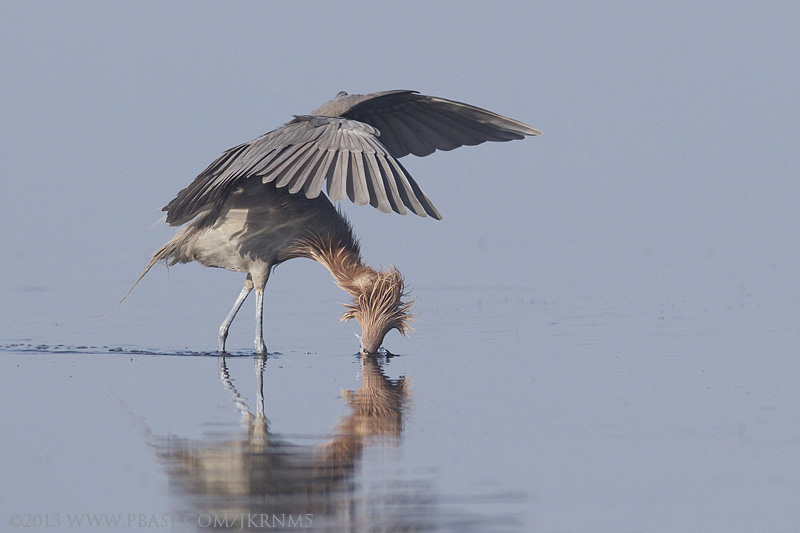
 The Reddish Egret above was photographed at Merritt Island National Wildlife Refuge (Black Point Wildlife Drive) in February 2013.
 The Tricolored Heron above was photographed at Merritt Island National Wildlife Refuge (Black Point Wildlife Drive) in February 2013.
 The Great Egret above was photographed at Merritt Island National Wildlife Refuge (Black Point Wildlife Drive) in February 2013.
 The Lesser Yellowlegs above was photographed at Merritt Island National Wildlife Refuge (Black Point Wildlife Drive) in February 2013.
 The Forster's Tern above was photographed at Merritt Island National Wildlife Refuge (Black Point Wildlife Drive) in February 2013.
 The Forster's Tern above was photographed at Merritt Island National Wildlife Refuge (Black Point Wildlife Drive) in February 2013.
 The Lesser Scaup above was photographed at Merritt Island National Wildlife Refuge (Black Point Wildlife Drive) in February 2013.
 The Reddish Egret above was photographed at Merritt Island National Wildlife Refuge (Black Point Wildlife Drive) in February 2013.
A good deal of time was spent observing the larger birds resting on higher ground, waterfowl loafing for the most part lazily on the water, and a very good number of Forster's Tern actively feeding. It was here that I spoke with a fellow visitor named Stan who had taken time in the past to give me critical commentary on images of lesser quality that I often present for one reason or another. I am appreciative of Stan's input.
 The Lesser Scaup above was photographed at Merritt Island National Wildlife Refuge (Black Point Wildlife Drive) in February 2013.
 The Reddish Egret above was photographed at Merritt Island National Wildlife Refuge (Black Point Wildlife Drive) in February 2013.
 The Northern Shoveler above was photographed at Merritt Island National Wildlife Refuge (Black Point Wildlife Drive) in February 2013.
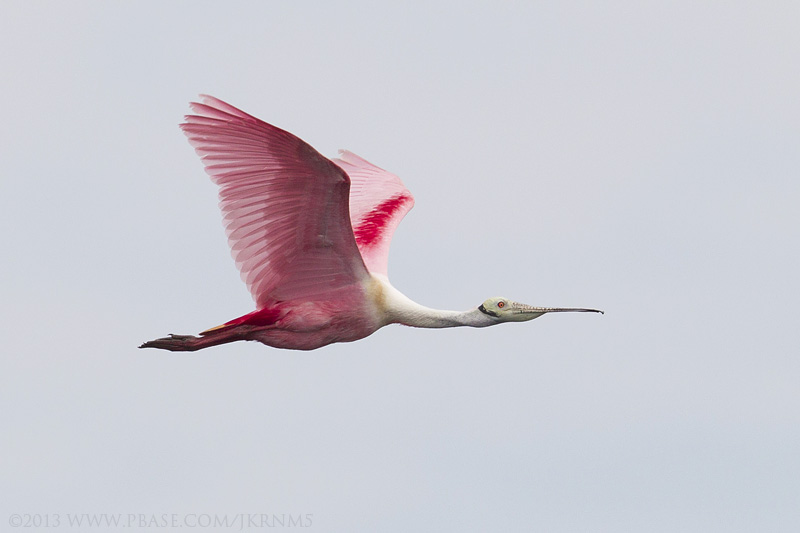
 The Roseate Spoonbill above was photographed at Merritt Island National Wildlife Refuge (Black Point Wildlife Drive) in February 2013.
 The Ring-billed Gull above was photographed at Merritt Island National Wildlife Refuge (Black Point Wildlife Drive) in February 2013.
 The Ring-billed Gull above was photographed at Merritt Island National Wildlife Refuge (Black Point Wildlife Drive) in February 2013.
 The Forster's Tern above was photographed at Merritt Island National Wildlife Refuge (Black Point Wildlife Drive) in February 2013.
 The Forster's Tern above was photographed at Merritt Island National Wildlife Refuge (Black Point Wildlife Drive) in February 2013.
Although a species of bird was not observed in the thousands as had been reported at the Refuge a month earlier, there were still birds in great numbers to observe overall. Tom and I made a pit stop for a drink at the
Merritt Island NWR Visitor's Center where an accommodating Painted Bunting was active around a feeder. The exhibits here offer an immortalized
Dusky Seaside Sparrow, once prolific at the Refuge, which became extinct on 17 June 1987.
 The Forster's Tern above was photographed at Merritt Island National Wildlife Refuge (Black Point Wildlife Drive) in February 2013.
 The Forster's Tern above was photographed at Merritt Island National Wildlife Refuge (Black Point Wildlife Drive) in February 2013.
 The Lesser Scaup above was photographed at Merritt Island National Wildlife Refuge (Black Point Wildlife Drive) in February 2013.
 The Lesser Scaup above was photographed at Merritt Island National Wildlife Refuge (Black Point Wildlife Drive) in February 2013.
 The Forster's Tern above was photographed at Merritt Island National Wildlife Refuge (Black Point Wildlife Drive) in February 2013.
 The Forster's Tern above was photographed at Merritt Island National Wildlife Refuge (Black Point Wildlife Drive) in February 2013.
 The Forster's Tern above was photographed at Merritt Island National Wildlife Refuge (Black Point Wildlife Drive) in February 2013.
 The Tricolored Heron above was photographed at Merritt Island National Wildlife Refuge (Black Point Wildlife Drive) in February 2013.
From the Visitor's Center we made a beeline to a new wildlife observation area for the both of us in Peacocks Pocket Road. This was another stunning opportunity to see the plentiful and diverse species of birds in the area. Although we failed to see the Cinnamon Teal that was making a long respite here, we missed it. My first personal observation of Northern Pintail was a treat, however. The Cinnamon Teal continued to be reported well into the month of March.
 The Greater Scaup above was photographed at Merritt Island National Wildlife Refuge (Black Point Wildlife Drive) in February 2013.
 The Willet above was photographed at Merritt Island National Wildlife Refuge (Black Point Wildlife Drive) in February 2013.
 The Roseate Spoonbill above was photographed at Merritt Island National Wildlife Refuge (Black Point Wildlife Drive) in February 2013.
 The Northern Shoveler above was photographed at Merritt Island National Wildlife Refuge (Black Point Wildlife Drive) in February 2013.
 The Cattle Egret above was photographed at Merritt Island National Wildlife Refuge (Black Point Wildlife Drive) in February 2013.
 The Roseate Spoonbill above was photographed at Merritt Island National Wildlife Refuge (Peacocks Pocket Road) in February 2013.
 The Mottled Duck above was photographed at Merritt Island National Wildlife Refuge (Peacocks Pocket Road) in February 2013.
 The Roseate Spoonbill above was photographed at Merritt Island National Wildlife Refuge (Peacocks Pocket Road) in February 2013.
A large concentration of American Avocet was also present at Peacocks Pocket Road. This drive is a must visit when visiting the Refuge. It seemed longer than Black Point Wildlife Drive and was equally challenging for two vehicles to pass one another in places. Tom and I had a pair of opportunities to observe
Florida Scrub Jay (Florida's only endemic bird) while driving through its known habitat within the Refuge, although it was unfortunately missed.
 The Roseate Spoonbill above was photographed at Merritt Island National Wildlife Refuge (Peacocks Pocket Road) in February 2013.
 The Great Egret with Blue-winged Teal above was photographed at Merritt Island National Wildlife Refuge (Peacocks Pocket Road) in February 2013.
 The Northern Pintail with Blue-winged Teal and Lesser Scaup above was photographed at Merritt Island National Wildlife Refuge (Peacocks Pocket Road) in February 2013.
 The Northern Pintail with Lesser Scaup above was photographed at Merritt Island National Wildlife Refuge (Peacocks Pocket Road) in February 2013.
 The Lesser Yellowlegs above was photographed at Merritt Island National Wildlife Refuge (Peacocks Pocket Road) in February 2013.
 The Lesser Yellowlegs above was photographed at Merritt Island National Wildlife Refuge (Peacocks Pocket Road) in February 2013.
 The Black Skimmer above was photographed at Merritt Island National Wildlife Refuge (Peacocks Pocket Road) in February 2013.
 The Lesser Scaup above was photographed at Merritt Island National Wildlife Refuge (Peacocks Pocket Road) in February 2013.
Our final destination at Merritt Island NWR was a drive along Bio Lab Road. This was my first time on this drive that offers occasional views of the Atlantic Ocean. A relatively small number of shorebirds were seen on the beach while Red-breasted Merganser were observed far offshore. Abundant Hooded Merganser, seen at most stops along our journey, were observed on this road which is as rustic and undisturbed as one could hope.
 The American Coot above was photographed at Merritt Island National Wildlife Refuge (Peacocks Pocket Road) in February 2013.
 The butterfly above was photographed at Merritt Island National Wildlife Refuge (Peacocks Pocket Road) in February 2013.
 The Forster's Tern above was photographed at Merritt Island National Wildlife Refuge (Peacocks Pocket Road) in February 2013.
 The Caspian Tern with Royal Tern, scaup and skimmer above was photographed at Merritt Island National Wildlife Refuge (Peacocks Pocket Road) in February 2013.
 The Royal Tern with Caspian Tern, skimmer, and Forster's Tern above was photographed at Merritt Island National Wildlife Refuge (Peacocks Pocket Road) in February 2013.
 The Royal Tern above was photographed at Merritt Island National Wildlife Refuge (Peacocks Pocket Road) in February 2013.
 The Forster's Tern with Royal Tern above was photographed at Merritt Island National Wildlife Refuge (Peacocks Pocket Road) in February 2013.
 The Royal Tern above was photographed at Merritt Island National Wildlife Refuge (Peacocks Pocket Road) in February 2013.
With daylight on the wane, Tom and I made the long drive to St. Petersburg and
Skyway Fishing Pier State Park for the chance to observe the Black-legged Kittiwake that had taken up residence for some time. Although there were two of this species observed initially, one had succumbed to its demise by a fishing hook. With the sun setting low on the horizon, Tom was patient with me after pointing out the bird.
 The Black Skimmer with Forster's Tern above was photographed at Merritt Island National Wildlife Refuge (Peacocks Pocket Road) in February 2013.
 The Least Sandpiper above was photographed at Merritt Island National Wildlife Refuge (Peacocks Pocket Road) in February 2013.
 The American Avocet above was photographed at Merritt Island National Wildlife Refuge (Peacocks Pocket Road) in February 2013.
 The Short-billed Dowitcher above was photographed at Merritt Island National Wildlife Refuge (Peacocks Pocket Road) in February 2013.
 The Short-billed Dowitcher with American Avocet above was photographed at Merritt Island National Wildlife Refuge (Peacocks Pocket Road) in February 2013.
 The Black-legged Kittiwake with Royal Tern above was photographed at Skyway Fishing Pier State Park (south) in February 2013.
 The Black-legged Kittiwake above was photographed at Skyway Fishing Pier State Park (south) in February 2013.
 The Royal Tern above was photographed at Skyway Fishing Pier State Park (south) in February 2013.
I would devote an hour in observation of the kittiwake which seemed primarily content to rest late in the day. At one point, the kittiwake appeared dominant over the much larger Laughing Gull which was not allowed to walk along the bridge's railing to pass it. Still energized with the excitement in all I had seen on this trip, we still had that last leg of the journey back home to Fort Myers.
 The scene above was photographed at Skyway Fishing Pier State Park (south) in February 2013.
 The Laughing Gull above was photographed at Skyway Fishing Pier State Park (south) in February 2013.
 The Black-legged Kittiwake above was photographed at Skyway Fishing Pier State Park (south) in February 2013.
The
Great Florida Birding Trail tour in its Panhandle, East, and West Sections was hurried at times and needs to be made again in the future. With so much to see, significant variations in the itinerary may be made which I look forward to immensely.
 The sunset above was photographed at Skyway Fishing Pier State Park (south) in February 2013.
Please see: The Great Florida Birding Trail Early 2013
Article I
Please see: The Great Florida Birding Trail Early 2013
Article II