This second post in a multi-part series continues with an emphasis on Florida wildlife beach observations including a bonus species seen in Sarasota, Florida.
The Reddish Egret above (image 1) was photographed at Siesta Key Beach in June 2016.
Tom Obrock joined me for a return trip to Sarasota on 27 June. We made an initial stop at Siesta Key Beach Access #5 arriving at sunrise. The water level of the tidal pool was dramatically lower from my visit a week earlier.
The Greater Yellowlegs above (image 2) was photographed at Siesta Key Beach in June 2016.
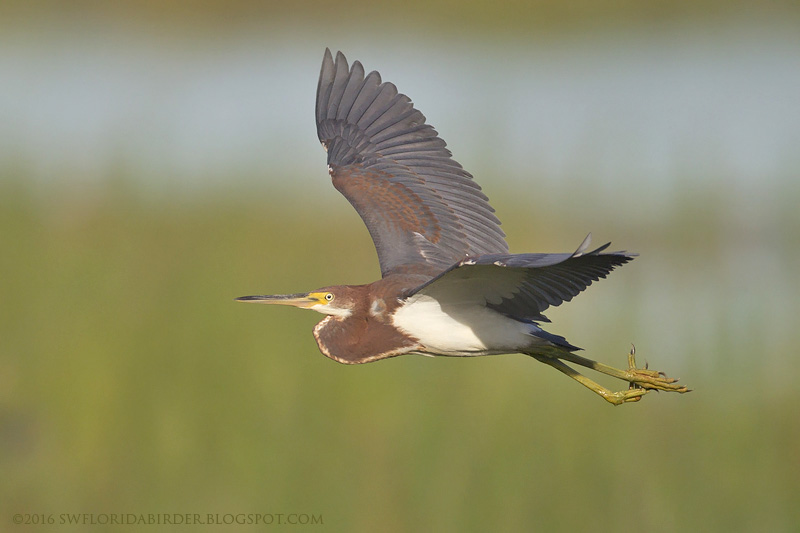
The juvenile Tricolored Heron above (image 3) was photographed at Siesta Key Beach in June 2016.
The juvenile Tricolored Heron above (image 4) was photographed at Siesta Key Beach in June 2016.
The Great Egret above (image 5) was photographed at Siesta Key Beach in June 2016.
The Great Egret above (image 6) was photographed at Siesta Key Beach in June 2016.
With the tidal pool offering significantly less real estate, there were significantly fewer birds present within it. The White-rumped Sandpiper seen the previous week and last reported 26 June was absent on our visit suggesting that the sandpiper may have moved on.
The Mottled Duck above (image 7) was photographed at Siesta Key Beach in June 2016.
The Semipalmated Plover above (image 8) was photographed at Siesta Key Beach in June 2016.
The Double-crested Cormorant above (image 9) was photographed at Siesta Key Beach in June 2016.
The Laughing Gull above (image 10) was photographed at Siesta Key Beach in June 2016.
The Mottled Duck above (image 11) was photographed at Siesta Key Beach in June 2016.
A very good number of nesting Snowy Plovers were observed along the shoreline. A new nesting area north of the tidal pool was in the process of having its protective barrier constructed offering the possibility of very late Snowy Plover fledglings this year.
The Snowy Egret with prey above (image 12) was photographed at Siesta Key Beach in June 2016.
The Mottled Duck above (image 13) was photographed at Siesta Key Beach in June 2016.
The Mottled Duck above (image 14) was photographed at Siesta Key Beach in June 2016.
The Mottled Duck above (image 15) was photographed at Siesta Key Beach in June 2016.
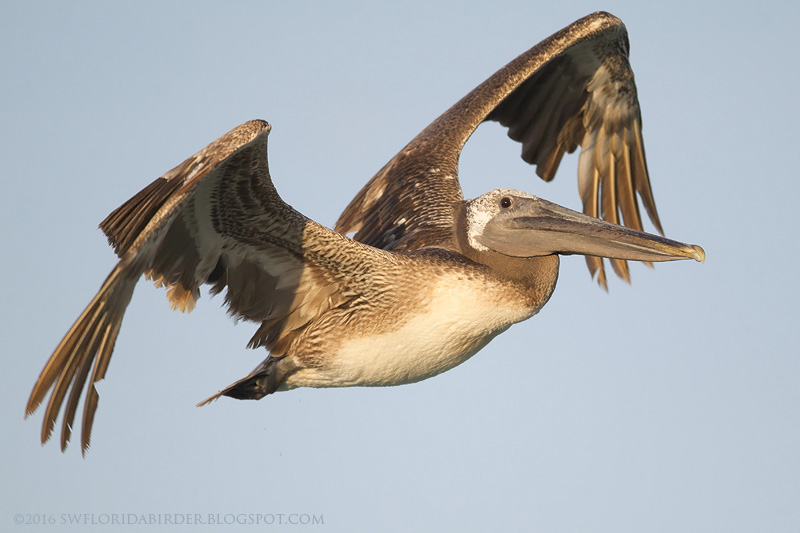
The Brown Pelican above (image 16) was photographed at Siesta Key Beach in June 2016.
Tom and I continued to St. Armands Circle west of downtown Sarasota where a Tropical Kingbird has possibly been nesting seasonally with a Gray Kingbird the past several years. We got a good view of the Tropical Kingbird on a wire, but it flew off before a photo opportunity.
The Reddish Egret above (image 17) was photographed at Siesta Key Beach in June 2016.
The Sanderling above (image 18) was photographed at Siesta Key Beach in June 2016.
The Reddish Egret above (image 19) was photographed at Siesta Key Beach in June 2016.
The Black Skimmer above (image 20) was photographed at Siesta Key Beach in June 2016.
The Royal Tern above (image 21) was photographed at Siesta Key Beach in June 2016.
Our next stop was Lido Beach. I had not been to this beach before so was very excitedly surprised to see its beauty and abundant wildlife. Immediately off the parking area was a protected Black Skimmer nesting colony. Tom commented about the possibility of a Caspian Tern, but it was not to be this day.
The Western Sandpiper above (image 22) was photographed at Siesta Key Beach in June 2016.
The Black-bellied Plover above (image 23) was photographed at Siesta Key Beach in June 2016.
The Willet above (image 24) was photographed at Siesta Key Beach in June 2016.
The Gray Kingbird above (image 25) was photographed at St. Armands Circle in June 2016.
The Gray Kingbird above (image 26) was photographed at St. Armands Circle in June 2016.
Walking the shoreline at Lido Beach offered skimmers and all the expected shorebirds. A small number of 1st year Common Terns were observed within two flocks of loafing birds. A Reddish Egret and a lone White Ibis were actively feeding along the shoreline as well.
The Magnificent Frigatebird above (image 27) was photographed at North Lido Beach in June 2016.
The Black Skimmer above (image 28) was photographed at Siesta Key Beach in June 2016.
The Black Skimmer with chick above (image 29) was photographed at Siesta Key Beach in June 2016.
The Black Skimmer with chick above (image 30) was photographed at Siesta Key Beach in June 2016.
The Black Skimmer above (image 31) was photographed at Siesta Key Beach in June 2016.
We next made a beeline back to St. Armands Circle with hopes of again observing the Tropical Kingbird. The first birds observed were House Finch. They put on a great show of interaction with one another much too fast for documentation with our cameras.
The Common Tern above (image 32) was photographed at Siesta Key Beach in June 2016.
The banded Common Tern above (image 33) was photographed at Siesta Key Beach in June 2016.
The juvenile Sandwich Tern above (image 34) was photographed at Siesta Key Beach in June 2016.
The Black Skimmer above (image 35) was photographed at Siesta Key Beach in June 2016.
The Sandwich Tern above (image 36) was photographed at Siesta Key Beach in June 2016.
It wasn't too long before Tom made another sighting of the Tropical Kingbird on a wire. During this stop the kingbird was much more cooperative for observation. It favored the wires and a pair of Oak trees in the Southwest corner of the parking lot north of the circle.
The Royal Tern above (image 37) was photographed at Siesta Key Beach in June 2016.
The Common Tern above (image 38) was photographed at Siesta Key Beach in June 2016.
The White Ibis above (image 39) was photographed at Siesta Key Beach in June 2016.
The juvenile Black Skimmer above (image 40) was photographed at Siesta Key Beach in June 2016.
The House Finch above (image 41) was photographed at St. Armands Circle in June 2016.
I was impressed with the action at Lido Beach. And as long as the Tropical Kingbird favors nesting only minutes from the Gulf, an effort should be made to see the specialty. The Tropical Kingbird at St. Armands Circle was initially found by Ruth Ellen Peipert on 3 May 2013.
The Tropical Kingbird above (image 42) was photographed at St. Armands Circle in June 2016.
The Tropical Kingbird above (image 43) was photographed at St. Armands Circle in June 2016.
Please be sure to be reminded about this weekly Southwest Florida Wildlife Blog with the email gadget located at the top of the page.
The Tropical Kingbird above (image 44) was photographed at St. Armands Circle in June 2016.
Please also see
Summer Florida Birding Beach Tour: Part I