
 The Cattle Egret with juvenile above was photographed at Gatorland in July 2012.
Such was the case when I made a trip to Gatorland located east of Walt Disney World Resort, and north of Kissimmee. As a bonus in observing the rookery here, a haven for numerous wading birds and other species, it was my great pleasure to meet up with renowned wildlife photographer Arthur Morris and his fellow BirdPhotographer.net friends Denise Ippolito and Cheryl Slechta. Once we entered the venue and had settled down, it was immediately clear to me that everyone preferred to hand hold their cameras and medium sized zoom lenses. That didn't deter me from using my tripod and all that until well over an hour had passed when I realized how opportunistic the use of gear like that might be with the birds flying in and out of the rookery at very close range. I would ultimately go into the bag and utilize the 70-200mm which allowed for greater ease in tracking incoming birds. Most images taken with the longer lens clipped the birds photographed to one degree or another, in some instances even when they were perched. The 1.4x and 2x converter/ extenders brought along for possible use were not considered as I knew my visit was coming to a close with the sun rising and it warming up quickly. I thought it interesting how frequently small branches were brought into the rookery area by some of the birds so late in the season. There were of course a lot of alligators in virtually every direction as Artie and I considered the pruning of trees. At another point I had my first sighting of a Common Peafowl that seemed very comfortable perched beyond a fence. The lores of the egrets showing peak breeding plumage were few as Artie noted another great time to photograph the birds at Gatorland is in March.
 Arthur Morris above was photographed at Gatorland in July 2012.
 The Tricolored Heron with juvenile above was photographed at Gatorland in July 2012.
 Denise Ippolito, Arthur Morris and Cheryl Slechta above were photographed at Gatorland in July 2012.
 The Great Egret with juvenile above was photographed at Gatorland in July 2012.
 The Cattle Egret above was photographed at Gatorland in July 2012.
 The Cattle Egret juvenile above was photographed at Gatorland in July 2012.
 The Great Egret above was photographed at Gatorland in July 2012.
 The Cattle Egret above was photographed at Gatorland in July 2012.
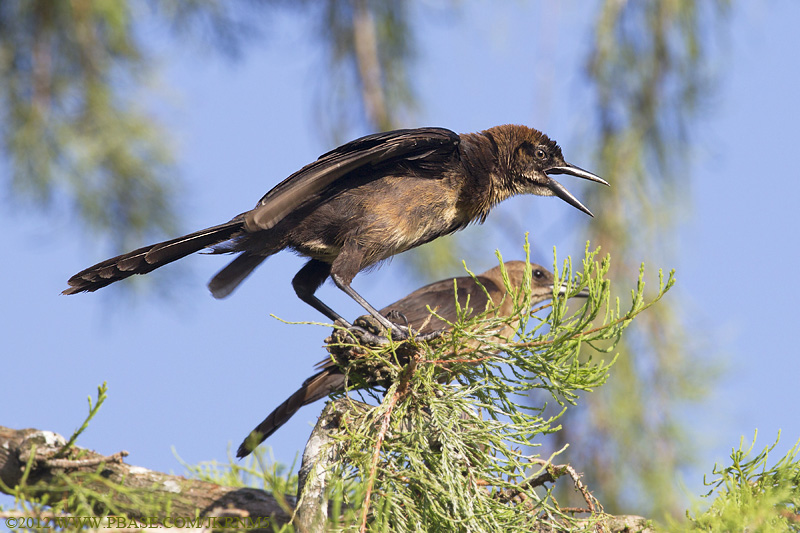 The Boat-tailed Grackle above was photographed at Gatorland in July 2012.
 The Little Blue Heron juvenile above was photographed at Gatorland in July 2012.
 The Great Egret above was photographed at Gatorland in July 2012.
 The Great Egret above was photographed at Gatorland in July 2012.
 The Cattle Egret above was photographed at Gatorland in July 2012.
 The Wood Stork above was photographed at Gatorland in July 2012.
 The Tricolored Heron with juvenile above was photographed at Gatorland in July 2012.
 The Great Egret above was photographed at Gatorland in July 2012.
 The Northern Cardinal above was photographed at Gatorland in July 2012.
 The Great Egret above was photographed at Gatorland in July 2012.
 The Cattle Egret juvenile above was photographed at Gatorland in July 2012.
 The Cattle Egret above was photographed at Gatorland in July 2012.
 The alligator above was photographed at Gatorland in July 2012.
 The Great Egret with juvenile above was photographed at Gatorland in July 2012.
 The Cattle Egret above was photographed at Gatorland in July 2012.
 The Cattle Egret with juvenile above was photographed at Gatorland in July 2012.
 The Cattle Egret above was photographed at Gatorland in July 2012.
 The Cattle Egret with juvenile above was photographed at Gatorland in July 2012.
 The Great Egret above was photographed at Gatorland in July 2012.
 The Tricolored Heron juvenile above was photographed at Gatorland in July 2012.
 The Tricolored Heron juvenile above was photographed at Gatorland in July 2012.
 The Cattle Egret above was photographed at Gatorland in July 2012.
 The Osprey above was photographed at Gatorland in July 2012.
 The Cattle Egret above was photographed at Gatorland in July 2012.
 The Great Egret above was photographed at Gatorland in July 2012.
 The Great Blue Heron above was photographed at Gatorland in July 2012.
 The Common Peafowl above was photographed at Gatorland in July 2012.
 The Common Peafowl above was photographed at Gatorland in July 2012.
 The Emu, the national bird of Australia, above was photographed at Gatorland in July 2012.
 Arthur Morris above was photographed at Gatorland in July 2012.


