Showing posts with label anatomy. Show all posts

Friday, February 6, 2015

Church Road Crested Caracara Overload: Part II

Church Road in Felda, Florida, is a wildlife amusement park with images presented here from 3 and 6 December.


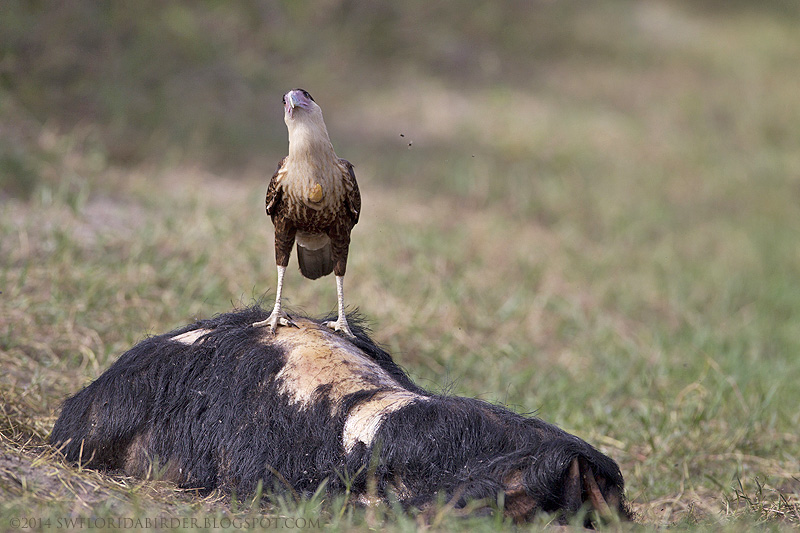
The Crested Caracara above (image 1) was photographed at Church Road in January 2015.

There should definitely be a concern for vehicular traffic on this road which travels at a high speed. Weekend days are best for minimal disturbance. If you are inclined to stop on the road, which you will, make sure to use care at all times.


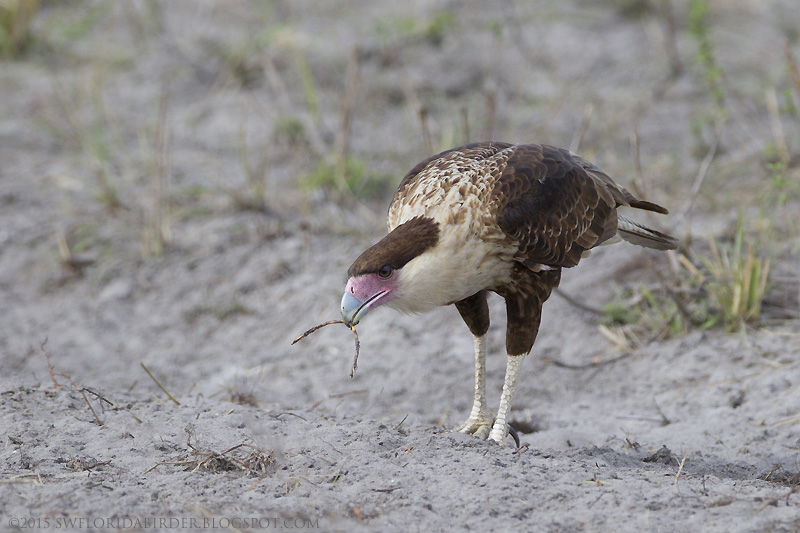
The Crested Caracara above (image 2) was photographed at Church Road in January 2015.


The Crested Caracara above (image 3) was photographed at Church Road in January 2015.


The Crested Caracara above (image 4) was photographed at Church Road in January 2015.


The Crested Caracara above (image 5) was photographed at Church Road in January 2015.


The Black Vulture above (image 6) was photographed at Church Road in January 2015.

This two-part article highlights the prolific Northern Crested Caracara which can be seen at Church Road ideally near sunrise or sunset. Many dozens of other species of bird and mammal shouldn't be overlooked including prolific butterflies and dragonflies.


The Black Vulture above (image 7) was photographed at Church Road in January 2015.


The Turkey Vulture above (image 8) was photographed at Church Road in January 2015.


The Western Kingbird above (image 9) was photographed at Church Road in January 2015.


The Great Southern White Butterfly above (image 10) was photographed at Church Road in January 2015.


The Crested Caracara above (image 11) was photographed at Church Road in January 2015.

I mention the caracara as Northern Crested Caracara for the first time here due to my research on the Florida subspecies which was learned to be a remnant of the last ice age that occurred about 10,500 BC. Crested Caracara could not escape their plight through migration since they don't engage in that behavior.


The Wood Stork above (image 12) was photographed at Church Road in January 2015.


The Wood Stork above (image 13) was photographed at Church Road in January 2015.


The Wood Stork above (image 14) was photographed at Church Road in January 2015.


The Wood Stork above (image 15) was photographed at Church Road in January 2015.


The Crested Caracara above (image 16) was photographed at Church Road in January 2015.

Caracara with a pink face indicate juveniles. It was noted by J. Lyons' Wildlife Rehabilitation (1984) that the face of Crested Caracara will be orange-red in color when the bird is at rest, though when under stress will change to a pumpkin color to yellow.


The Crested Caracara above (image 17) was photographed at Church Road in January 2015.


The Crested Caracara above (image 18) was photographed at Church Road in January 2015.


The Crested Caracara above (image 19) was photographed at Church Road in January 2015.


The Crested Caracara above (image 20) was photographed at Church Road in January 2015.


The Crested Caracara above (image 21) was photographed at Church Road in January 2015.

Caracara during breeding season will sport a bump on its breast in my observations at Church Road. I have not seen this characteristic reported anywhere in my research. It was determined that this occurs on the female while observing a copulation event.


The Crested Caracara above (image 22) was photographed at Church Road in January 2015.


The Crested Caracara above (image 23) was photographed at Church Road in January 2015.


The Crested Caracara above (image 24) was photographed at Church Road in January 2015.


The Crested Caracara above (image 25) was photographed at Church Road in January 2015.


The Crested Caracara above (image 26) was photographed at Church Road in January 2015.

This unusual anatomical characteristic of the caracara is missing from birding resources including the oiseaux-birds website. Their notation of the caracara's face changing color is otherwise interesting, though I have never seen this happen in real time.


The Crested Caracara above (image 27) was photographed at Church Road in January 2015.


The Crested Caracara above (image 28) was photographed at Church Road in January 2015.


The Crested Caracara above (image 29) was photographed at Church Road in January 2015.


The Crested Caracara above (image 30) was photographed at Church Road in January 2015.


The Crested Caracara above (image 31) was photographed at Church Road in January 2015.

The Northern Crested Caracara is noted to be a protected bird, though of "Least Concern." Caracara is a food source in southern parts of its range in a report from 2010. In this 2014/2015 season, there have been very good numbers of caracara observed.


The Crested Caracara above (image 32) was photographed at Church Road in January 2015.


The copulating Crested Caracara above (image 33) were photographed at Church Road in January 2015.


The Boat-tailed Grackle above (image 34) was photographed at Church Road in January 2015.


The Black Vulture above (image 35) was photographed at Church Road in January 2015.


The Black Vulture above (image 36) was photographed at Church Road in January 2015.

Copulation of the caracara observed during my 6 December visit to Church Road is considered early for the nesting season. This is an especially great time of year to make a trip to Church Road in Felda off of highway 82, just west of highway 29.


The Black Vulture above (image 37) was photographed at Church Road in January 2015.

Please also see Church Road Crested Caracara Overload: Part I

Friday, February 8, 2013

Six Mile Cypress Lake: Mid Winter Part I

Although I have occasionally been driving by Six Mile Cypress Lake with interest since my first visits last year, the images in this article are from my first extensive mid-winter observation.


The Wood Stork with White Ibis above was photographed at Six Mile Cypress Lake in February 2013.

The water level has been receding at this venue as everywhere else there are natural bodies of water not fed by tidal action. With a congregation of wading birds at the southwest corner of the lake I chose to work my way between them and the setting sun. There were initially five Wood Stork among White Ibis and Snowy Egret. While the ibis and egrets flew from the scene one by one, a pair of Wood Stork would replace them. Countless vocal Boat-tailed Grackle were present (about 60) which offered almost as much a distraction as the increased vehicle traffic at the Metro Parkway/ Six Mile Cypress intersection with the extension of Metro Parkway to 41 and Alico Road completed.


The Loggerhead Shrike above was photographed at Six Mile Cypress Lake in February 2013.


The Wood Stork with Snowy Egret above was photographed at Six Mile Cypress Lake in February 2013.


The White Ibis above was photographed at Six Mile Cypress Lake in February 2013.


The Snowy Egret above was photographed at Six Mile Cypress Lake in February 2013.


The Wood Stork with White Ibis above was photographed at Six Mile Cypress Lake in February 2013.


The Snowy Egret above was photographed at Six Mile Cypress Lake in February 2013.


The Little Blue Heron above was photographed at Six Mile Cypress Lake in February 2013.


The Snowy Egret above was photographed at Six Mile Cypress Lake in February 2013.


The Double-crested Cormorant above was photographed at Six Mile Cypress Lake in February 2013.


The immature Snowy Egret above was photographed at Six Mile Cypress Lake in February 2013.


The Snowy Egret above was photographed at Six Mile Cypress Lake in February 2013.


The immature Snowy Egret above was photographed at Six Mile Cypress Lake in February 2013.


The Snowy Egret above was photographed at Six Mile Cypress Lake in February 2013.


The immature Snowy Egret above was photographed at Six Mile Cypress Lake in February 2013.


The immature White Ibis above was photographed at Six Mile Cypress Lake in February 2013.


The Wood Stork above was photographed at Six Mile Cypress Lake in February 2013.

With observations from a fifteen foot radius lasting a few hours, I captured about 1800 images attributable mainly to trying to get a better flight shot, but also due to the prolific number of birds seen. When you are perusing the images, be sure to note the Ring-necked Duck which is presented with a white eye ring and greyish secondary tail feathers as observed from the top. These characteristics help distinguish this species from Lesser Scaup when the waterfowl are observed together or individually. The most distant bird observed along the lake's edge was a Great Blue Heron. Its stature compared to all the other birds was impressive.


The Green Heron above was photographed at Six Mile Cypress Lake in February 2013.


The Great Egret above was photographed at Six Mile Cypress Lake in February 2013.


The immature Snowy Egret above was photographed at Six Mile Cypress Lake in February 2013.


The Ring-necked Duck above was photographed at Six Mile Cypress Lake in February 2013.


The Ring-necked Duck above was photographed at Six Mile Cypress Lake in February 2013.


The Ring-necked Duck above was photographed at Six Mile Cypress Lake in February 2013.


The Ring-necked Duck above was photographed at Six Mile Cypress Lake in February 2013.


The Little Blue Heron above was photographed at Six Mile Cypress Lake in February 2013.


The immature Snowy Egret above was photographed at Six Mile Cypress Lake in February 2013.


The Snowy Egret above was photographed at Six Mile Cypress Lake in February 2013.


The Snowy Egret above was photographed at Six Mile Cypress Lake in February 2013.


The Wood Stork with White Ibis above was photographed at Six Mile Cypress Lake in February 2013.


The Wood Stork with White Ibis above was photographed at Six Mile Cypress Lake in February 2013.


The Wood Stork above was photographed at Six Mile Cypress Lake in February 2013.


The Great Egret above was photographed at Six Mile Cypress Lake in February 2013.

As had been observed previously at this venue, there was a stunning overflight of many hundreds of wading birds traveling west toward their roosts as the sun set. Although this venue hasn't offered any rare birds in my many visits, it does offer a multitude of birds which can be photographed with interesting scenery. You are reading the fifth article I have written about this venue. Please see the links below to readily view the other articles which highlight Six Mile Cypress Lake in its dry down near the beginning of the rainy season. A visit to this venue two hours before sunset through sundown is highly recommended.


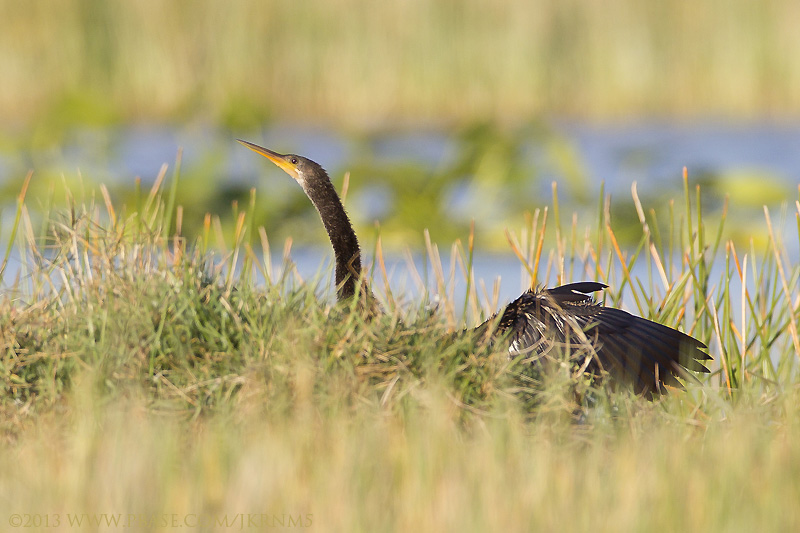
The Anhinga above was photographed at Six Mile Cypress Lake in February 2013.


The White Ibis above was photographed at Six Mile Cypress Lake in February 2013.


The Great Egret above was photographed at Six Mile Cypress Lake in February 2013.


The Great Egret above was photographed at Six Mile Cypress Lake in February 2013.


The Boat-tailed Grackle above was photographed at Six Mile Cypress Lake in February 2013.


The Wood Stork above was photographed at Six Mile Cypress Lake in February 2013.

Please see: Six Mile Cypress Lake Article I
Please see: Six Mile Cypress Lake Article II
Please see: Six Mile Cypress Lake Article III
Please see: Six Mile Cypress Lake Article IV