This article highlights the latter part of the day on 1 April when I traveled with Tom Obrock to Tampa Bay's Fort De Soto Park which offered two life birds for me.
The Black-and-white Warbler above was photographed at Fort De Soto Park in April 2014.
Earlier in the day Bunche Beach was good with thought of Mangrove Cuckoo but missed it as expected. Mergansers were unexpectedly seen not too far from the beach and won't hesitate to get in the water where they were for better observation in the future.
The Black-and-white Warbler above was photographed at Fort De Soto Park in April 2014.
The Northern Parula above was photographed at Fort De Soto Park in April 2014.
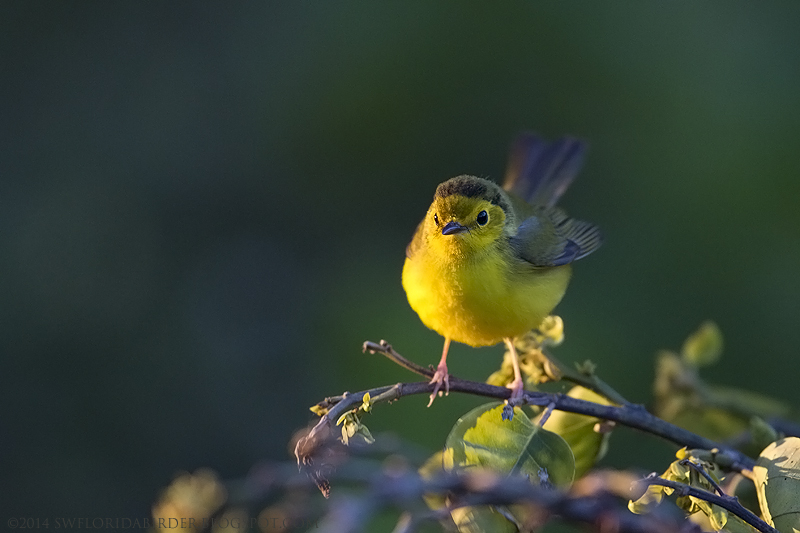
The Hooded Warbler above was photographed at Fort De Soto Park in April 2014.
The Worm-eating Warbler above was photographed at Fort De Soto Park in April 2014.
The Yellow-throated Vireo above was photographed at Fort De Soto Park in April 2014.
The Hooded Warbler above was photographed at Fort De Soto Park in April 2014.
The arrival at Fort De Soto occurred not too late in the day with time to traverse virtually the entire park. My favored stop on this visit was the East Beach Woods. It was here that Hooded Warbler was in very good numbers and active allowing my first observation of the species.
The Hooded Warbler above was photographed at Fort De Soto Park in April 2014.
The White-eyed Vireo above was photographed at Fort De Soto Park in April 2014.
The Prothonotary Warbler above was photographed at Fort De Soto Park in April 2014.
The White-eyed Vireo above was photographed at Fort De Soto Park in April 2014.
The Prothonotary Warbler above was photographed at Fort De Soto Park in April 2014.
The Gulf Pier offered a small flock of foraging Red Knot. A few of the birds were banded with one (9KX) having inexplicably lost a foot since its previous sighting according to Ron Smith. A pair of Black Scoter were observed here as well with Tom describing them as very late.
The Prothonotary Warbler above was photographed at Fort De Soto Park in April 2014.
The Red Knot above was photographed at Fort De Soto Park in April 2014.
The Black Scoter above was photographed at Fort De Soto Park in April 2014.
The Great Horned Owl above was photographed at Fort De Soto Park in April 2014.
The juvenile Great Horned Owl above was photographed at Fort De Soto Park in April 2014.
The Great Horned Owl above was photographed at Fort De Soto Park in April 2014.
The Yellow-bellied Sapsucker above was photographed at Fort De Soto Park in April 2014.
The next stop was the North Beach with a quick drive made through the Arrowhead Picnic Area. Shore and wading birds were very few and far between at the lagoons although the tide appeared favorably low. An unruly kid observed chasing a Wood Stork may have had something to do with the conditions.
The Yellow-bellied Sapsucker above was photographed at Fort De Soto Park in April 2014.
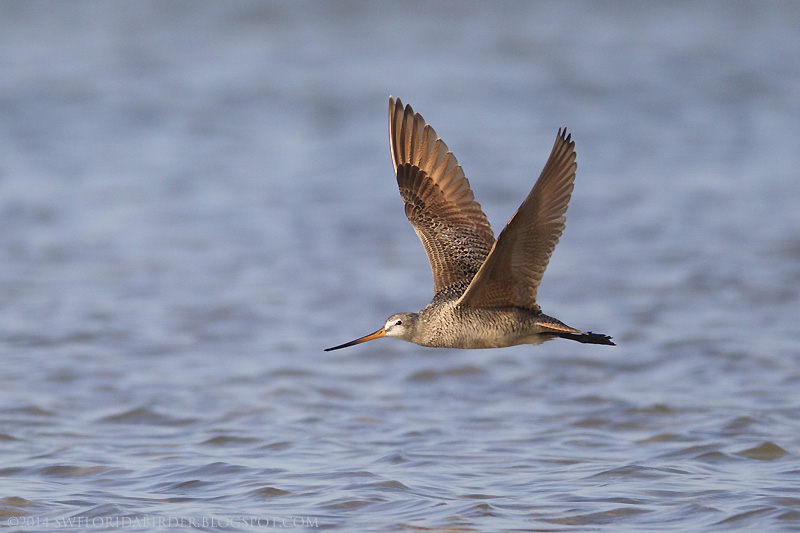
The Marbled Godwit above was photographed at Fort De Soto Park in April 2014.
The Hooded Warbler above was photographed at Fort De Soto Park in April 2014.
At the East Beach Woods Tom and I observed the Great Horned Owls with both juveniles very active though no flight was observed. Tom quickly identified the Yellow-bellied Sapsucker that was silently working the cypress trees for insects.
The Hooded Warbler above was photographed at Fort De Soto Park in April 2014.
And finally we returned to the East Beach Woods for better observation of the warblers. Tom's report from this trip may be seen here.
The Hooded Warbler above was photographed at Fort De Soto Park in April 2014.
Please also see: San Carlos Bay To Tampa Bay: Part I
Showing posts with label great horned owl. Show all posts
Friday, April 25, 2014
Saturday, October 13, 2012
Do Rufous Hummingbirds Sing
It is a very rare occasion when I begin composition of this weekly wildlife article before an image has been taken to accompany it.
The Red-bellied Woodpecker above was photographed at the Damon residence in October 2012.
The excitement I have in observation of a Rufous Hummingbird (a lifer) is resulting in what is commonly called insomnia. I'll likely squeeze in a couple hours sleep while I fear I will not wake in time to experience this spectacle now committed to. My thanks are extended to Stan Damon for his invitation to see this species which has been present for at least 16 days before dawn on 8 October in Lehigh Acres. I hope for the best considering a steady rain for the last five hours. Stan, Vince McGrath, and Vince's longtime friend Ed Becker from New Hampshire will be making a trip to the sod fields this morning with my envy of that trip as well. There has been an abundance of rain these past weeks in our subtropical climate which will impact spring observations already thought about. A ray of sunlight at dawn in observation of the hummer is hoped for decent photography and documentation of the bird. Before the observation effort I have had the thought, "Do hummingbirds sing," like commonly seen birds? Investigation has divulged that hummingbirds have a very rapid chirping. Their song is nearly overwhelmed by the flapping of its wings which sounds like a bee when the bird is on the move. I recommend you research this further. The rain has stopped and the night sky appears to be clearing. I can finally get to sleep now. The morning was not a loss after sleeping through the clock's alarm. I got a wake up call from Tom Obrock advising me that he was observing the hummingbird. By the time I got to the Damon home, Tom was in Alva observing Merlin and Red-headed Woodpecker. Mrs. Damon was a very gracious and enjoyable host to spend the late morning with. Mitzi coined the Merlin as the Cheetah of the Falcon world after I noted it as the fastest predator I had yet seen. Mitzi and I watched the hummingbird appear numerous times in less than a few hours time. In fact there were two of the species observed with thought of female or juvenile with the dominant male. The sightings were made from from a distance of sixty plus feet. This was especially far to observe and photograph a bird less than four inches in length. I was reluctant to get closer until I had an understanding of the behavior of the bird. The Rufous Hummingbird is known to have territorial dominance over other hummer species twice its weight as well as those of its own kind. A follow-up visit was made to the Damon's place on day 21 of the Rufous Hummingbird's presence. I met Mitzi walking her dog while driving through the neighborhood before dawn. I greeted Stan a few minutes later as he was picking up the morning newspaper. We immediately began our observation for the hummer which appeared on cue. The hummingbird put on an incredible show as it darted from one citrus tree perch to another. The bird's tongue was seen frequently as it seemingly tasted the air (hummingbirds are thought to have have minimal taste function and don't taste the air) while it indulged in preening itself on a few occasions. The dominant male was the only Rufous Hummingbird personally observed this day although Stan has photographic evidence of four distinct birds of this species in his backyard since the Rufous Hummingbird's first sighting. The time passed all too quickly as I enjoyed viewing photographs Stan has taken of the wildlife he's seen in the area. Ruth Woodall, a Birdpatrol guide, and Ken Hodgson, Caloosa Bird Club Chairman and New Yorker, arrived before I parted ways. The Caloosa Bird Club is celebrating its 53rd year. One of the most remarkable stories I heard was of a Snail Kite that was consumed for breakfast by a Great Horned Owl in Stan's front yard. Stan advised me that the Peregrine Falcon has quicker mobility than Merlin with PEFA noted as the fastest animal in the world. Although Vince has speculated that the Rufous Hummingbird(s) may overwinter in Lehigh Acres, Stan commented to me that he believes the dominant bird is recovering from a molt, and may move on when its feathers are grown in. There was discussion of a wildlife venue I have yet visited which I hope to be able to mention in detail in the future with Ruth's approval.
The Northern Cardinal above was photographed at the Damon residence in October 2012.
The Mourning Dove above was photographed at the Damon residence in October 2012.
The female Rufous Hummingbird above was photographed at the Damon residence in October 2012.
The Rufous Hummingbird above was photographed at the Damon residence in October 2012.
The Rufous Hummingbird above was photographed at the Damon Residence in October 2012.
The Rufous Hummingbird above was photographed at the Damon residence in October 2012.
The Rufous Hummingbird above was photographed at the Damon Residence in October 2012.
The Rufous Hummingbird above was photographed at the Damon residence in October 2012.
The Red-bellied Woodpecker above was photographed at the Damon residence in October 2012.
The excitement I have in observation of a Rufous Hummingbird (a lifer) is resulting in what is commonly called insomnia. I'll likely squeeze in a couple hours sleep while I fear I will not wake in time to experience this spectacle now committed to. My thanks are extended to Stan Damon for his invitation to see this species which has been present for at least 16 days before dawn on 8 October in Lehigh Acres. I hope for the best considering a steady rain for the last five hours. Stan, Vince McGrath, and Vince's longtime friend Ed Becker from New Hampshire will be making a trip to the sod fields this morning with my envy of that trip as well. There has been an abundance of rain these past weeks in our subtropical climate which will impact spring observations already thought about. A ray of sunlight at dawn in observation of the hummer is hoped for decent photography and documentation of the bird. Before the observation effort I have had the thought, "Do hummingbirds sing," like commonly seen birds? Investigation has divulged that hummingbirds have a very rapid chirping. Their song is nearly overwhelmed by the flapping of its wings which sounds like a bee when the bird is on the move. I recommend you research this further. The rain has stopped and the night sky appears to be clearing. I can finally get to sleep now. The morning was not a loss after sleeping through the clock's alarm. I got a wake up call from Tom Obrock advising me that he was observing the hummingbird. By the time I got to the Damon home, Tom was in Alva observing Merlin and Red-headed Woodpecker. Mrs. Damon was a very gracious and enjoyable host to spend the late morning with. Mitzi coined the Merlin as the Cheetah of the Falcon world after I noted it as the fastest predator I had yet seen. Mitzi and I watched the hummingbird appear numerous times in less than a few hours time. In fact there were two of the species observed with thought of female or juvenile with the dominant male. The sightings were made from from a distance of sixty plus feet. This was especially far to observe and photograph a bird less than four inches in length. I was reluctant to get closer until I had an understanding of the behavior of the bird. The Rufous Hummingbird is known to have territorial dominance over other hummer species twice its weight as well as those of its own kind. A follow-up visit was made to the Damon's place on day 21 of the Rufous Hummingbird's presence. I met Mitzi walking her dog while driving through the neighborhood before dawn. I greeted Stan a few minutes later as he was picking up the morning newspaper. We immediately began our observation for the hummer which appeared on cue. The hummingbird put on an incredible show as it darted from one citrus tree perch to another. The bird's tongue was seen frequently as it seemingly tasted the air (hummingbirds are thought to have have minimal taste function and don't taste the air) while it indulged in preening itself on a few occasions. The dominant male was the only Rufous Hummingbird personally observed this day although Stan has photographic evidence of four distinct birds of this species in his backyard since the Rufous Hummingbird's first sighting. The time passed all too quickly as I enjoyed viewing photographs Stan has taken of the wildlife he's seen in the area. Ruth Woodall, a Birdpatrol guide, and Ken Hodgson, Caloosa Bird Club Chairman and New Yorker, arrived before I parted ways. The Caloosa Bird Club is celebrating its 53rd year. One of the most remarkable stories I heard was of a Snail Kite that was consumed for breakfast by a Great Horned Owl in Stan's front yard. Stan advised me that the Peregrine Falcon has quicker mobility than Merlin with PEFA noted as the fastest animal in the world. Although Vince has speculated that the Rufous Hummingbird(s) may overwinter in Lehigh Acres, Stan commented to me that he believes the dominant bird is recovering from a molt, and may move on when its feathers are grown in. There was discussion of a wildlife venue I have yet visited which I hope to be able to mention in detail in the future with Ruth's approval.
The Northern Cardinal above was photographed at the Damon residence in October 2012.
The Mourning Dove above was photographed at the Damon residence in October 2012.
The female Rufous Hummingbird above was photographed at the Damon residence in October 2012.
The Rufous Hummingbird above was photographed at the Damon residence in October 2012.
The Rufous Hummingbird above was photographed at the Damon Residence in October 2012.
The Rufous Hummingbird above was photographed at the Damon residence in October 2012.
The Rufous Hummingbird above was photographed at the Damon Residence in October 2012.
The Rufous Hummingbird above was photographed at the Damon residence in October 2012.
Subscribe to:
Posts (Atom)


