Now is a good time to again be reminded that it is not a good idea to ever look directly at the sun.
The Laughing Gull above (image 1) was photographed at New Pass in July 2015.
With luck, for good or bad, a Laughing Gull's trajectory had it pass directly in front of the rising sun. One should certainly prefer to have a subject like this pass in front of the 400,000 times dimmer full moon.
The Brown Pelican with American Oystercatcher above (image 2) was photographed at New Pass in July 2015.
The Tricolored Heron with American Oystercatcher above (image 3) was photographed at New Pass in July 2015.
Our eyes certainly tell us of the danger if we look at the sun. It's also particularly not a good idea to look at the sun through the viewfinder of a camera where you may be observing the extremely bright orb magnified. Such was the case on my 17 July effort to observe a very uncommon American Flamingo that had settled down at the southern end of Lovers Key State Park at New Pass.
The Great White Heron above (image 4) was photographed at New Pass in July 2015.
The American Oystercatcher above (image 5) was photographed at New Pass in July 2015.
Photography while looking in the general direction of the sun is rarely preferred. Through experimentation you may find that the sun at your back is ideal. Note the value of the Golden Hour, Blue Hour, and Twilights. Although the birds were initially mere silhouettes, it was unmistakably clear that four of them were American Oystercatcher as indicated by their display calls.
The American Oystercatcher above (image 6) was photographed at New Pass in July 2015.
The Great Blue Heron above (image 7) was photographed at New Pass in July 2015.
After about an hour with no luck in finding the flamingo, I set out for National Audubon's Corkscrew Swamp Sanctuary where Ghost Orchids live and bloom in early summer. The orchid species at the Swamp had been reported in the local news a couple of weeks earlier. That passage of time unfortunately led to blooms that looked long since peaked.
The Osprey above (image 8) was photographed at New Pass in July 2015.
The Seashore mallow above (image 9) was photographed at National Audubon Corkscrew Swamp Sanctuary in July 2015.
It was relatively quiet for bird activity along the boardwalk. The first species seen/ heard was a Northern Cardinal. Prolific as well were Red-bellied Woodpecker and Carolina Wren. A pair of Pileated Woodpecker were heard distant from one another. The wrens were ridiculously melodious above me while one captured a large spider and consumed it hastily before I was able to focus the camera on it.
The Ghost Orchid above (image 10) was photographed at National Audubon Corkscrew Swamp Sanctuary in July 2015.
The Carolina Wren above (image 11) was photographed at National Audubon Corkscrew Swamp Sanctuary in July 2015.
Black-bellied Whistling-Duck was personally observed at the Sanctuary for the first time after many visits there. When water levels are at their lowest (early to late Spring) is when wading birds are most prolific. See Hemant Kishan's reports for additional reasons to visit this remarkable place.
The Limpkin above (image 12) was photographed at National Audubon Corkscrew Swamp Sanctuary in July 2015.
The Black-bellied Whistling-Duck above (image 13) was photographed at National Audubon Corkscrew Swamp Sanctuary in July 2015.
My thanks to Tom Obrock for bringing the flamingo to my attention. Though the species was not seen on my 17 July visit to New Pass, a follow-up kayak trip on 23 July was well rewarded. The dolphins were excessively exhilarating at close range.
The American Flamingo above (image 14) was photographed at New Pass in July 2015.
Ed Weislo's website was helpful in identifying the flora this week.
Showing posts with label corkscrew swamp sanctuary. Show all posts
Friday, July 24, 2015
Friday, March 1, 2013
Corkscrew Swamp And A Lifer
A mid February visit to Audubon's Corkscrew Swamp Sanctuary outside of Naples, Florida, was a special treat while accompanied by Hemant Kishan.
The Painted Bunting above was photographed at Corkscrew Swamp Sanctuary in February 2013.
This article is one to pleasantly interrupt a series highlighting a relatively newfound venue in Six Mile Cypress Lake located in Fort Myers. It also precedes a series documenting my first observations at Paynes Prairie Preserve and St. Marks National Wildlife Refuge traveling with Tom Obrock. A stop at Merritt Island National Wildlife Refuge, and Skyway Fishing Pier State Park to find the very uncommon Black-legged Kittiwake in Florida would close that extensive journey.
The Brown Thrasher above was photographed at Corkscrew Swamp Sanctuary in February 2013.
The Ovenbird above was photographed at Corkscrew Swamp Sanctuary in February 2013.
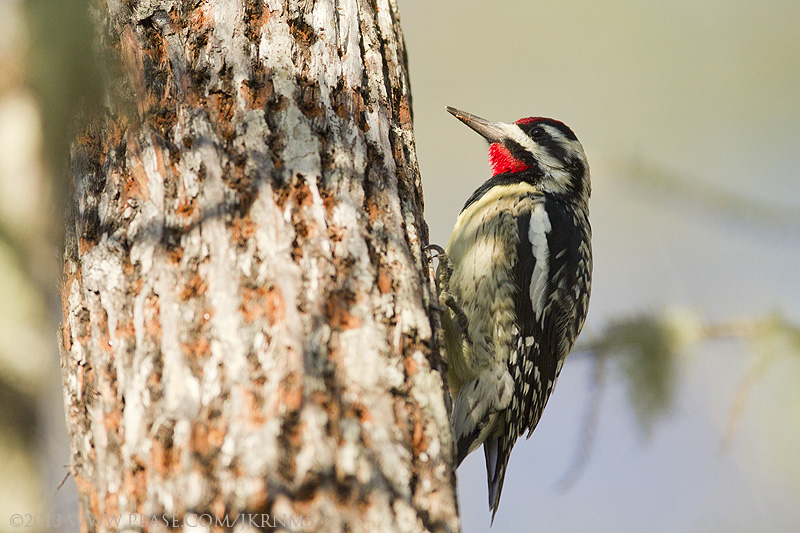
The Yellow-bellied Sapsucker above was photographed at Corkscrew Swamp Sanctuary in February 2013.
The Sanctuary was active from my perspective although Artie Morris expressed his disappointment while on his 2013 President's Week Tour. Timing is everything with moving objects. In an earlier year I noted that Artie would visit the venue if there were a favorable fog. This boardwalk venue is certainly hit or miss like most birding venues. After viewing a checklist offered by Michael D. Griffith, I was especially grateful to Hemant for patiently allowing me to settle down to take pics for extended periods.
The Common Yellowthroat above was photographed at Corkscrew Swamp Sanctuary in February 2013.
The Yellow-rumped Warbler above was photographed at Corkscrew Swamp Sanctuary in February 2013.
The Yellow-bellied Sapsucker above was photographed at Corkscrew Swamp Sanctuary in February 2013.
The Blue-gray Gnatcatcher above was photographed at Corkscrew Swamp Sanctuary in February 2013.
The Black-and-white Warbler above was photographed at Corkscrew Swamp Sanctuary in February 2013.
While Michael noted he missed the Baltimore Oriole and Indigo Bunting seen at Corscrew Swamp Sanctuary this day, they remained elusive to me as well. Although Michael's list is extremely impressive, I was surprised that he missed Ovenbird and Brown Thrasher, both species brought to my attention by Hemant. I could have lazily stayed on the boardwalk all day, but the thought of a Clapper Rail lingering at Bailey Tract, and a possible Razorbill in the Gulf led Hemant and me to Sanibel Island.
The Black-and-white Warbler above was photographed at Corkscrew Swamp Sanctuary in February 2013.
The Eastern Phoebe above was photographed at Corkscrew Swamp Sanctuary in February 2013.
The Black-crowned Night-Heron above was photographed at Corkscrew Swamp Sanctuary in February 2013.
The Yellow-crowned Night-Heron above was photographed at Corkscrew Swamp Sanctuary in February 2013.
The traffic was a nightmare with it Sunday (church traffic), tourist season, and an art festival taking place. After sighting a Wilson's Snipe at Bailey Tract, we moved on for the possibility of Razorbill and Black Scoter off shore. The drive was enjoyable along this stretch of Captiva Boulevard, but birds were not significantly notable in the gulf from brief vantage points including Blind Pass. Overall it was an awesome day, especially to spend time with Hemant and hear his entertaining stories about birds.
The Yellow-crowned Night-Heron above was photographed at Corkscrew Swamp Sanctuary in February 2013.
The Great-crested Flycatcher above was photographed at Corkscrew Swamp Sanctuary in February 2013.
The Yellow-crowned Night-Heron above was photographed at Corkscrew Swamp Sanctuary in February 2013.
The Great Blue Heron above was photographed at Corkscrew Swamp Sanctuary in February 2013.
The Black-crowned Night-Heron above was photographed at Corkscrew Swamp Sanctuary in February 2013.
Tom has recommended I report more frequently, but the weekly routine is about the best I can muster. The future remains daunting to stay on task outside of work. Tom has already gotten a head start in reporting on the long trip here. I am very grateful to Hemant for his readily finding the Brown Thrasher at the Sanctuary which allowed me a view of it for the first time. At least ten lifers were observed on the aforementioned trip with Tom which I will highlight in upcoming articles.
The Barred Owl above was photographed at Corkscrew Swamp Sanctuary in February 2013.
The Wilson's Snipe above was photographed at Bailey Tract in February 2013.
The Blue-winged Teal above was photographed at Bailey Tract in February 2013.
The Painted Bunting above was photographed at Corkscrew Swamp Sanctuary in February 2013.This article is one to pleasantly interrupt a series highlighting a relatively newfound venue in Six Mile Cypress Lake located in Fort Myers. It also precedes a series documenting my first observations at Paynes Prairie Preserve and St. Marks National Wildlife Refuge traveling with Tom Obrock. A stop at Merritt Island National Wildlife Refuge, and Skyway Fishing Pier State Park to find the very uncommon Black-legged Kittiwake in Florida would close that extensive journey.
The Brown Thrasher above was photographed at Corkscrew Swamp Sanctuary in February 2013.
The Ovenbird above was photographed at Corkscrew Swamp Sanctuary in February 2013.
The Yellow-bellied Sapsucker above was photographed at Corkscrew Swamp Sanctuary in February 2013.The Sanctuary was active from my perspective although Artie Morris expressed his disappointment while on his 2013 President's Week Tour. Timing is everything with moving objects. In an earlier year I noted that Artie would visit the venue if there were a favorable fog. This boardwalk venue is certainly hit or miss like most birding venues. After viewing a checklist offered by Michael D. Griffith, I was especially grateful to Hemant for patiently allowing me to settle down to take pics for extended periods.
The Common Yellowthroat above was photographed at Corkscrew Swamp Sanctuary in February 2013.
The Yellow-rumped Warbler above was photographed at Corkscrew Swamp Sanctuary in February 2013.
The Yellow-bellied Sapsucker above was photographed at Corkscrew Swamp Sanctuary in February 2013.
The Blue-gray Gnatcatcher above was photographed at Corkscrew Swamp Sanctuary in February 2013.
The Black-and-white Warbler above was photographed at Corkscrew Swamp Sanctuary in February 2013.While Michael noted he missed the Baltimore Oriole and Indigo Bunting seen at Corscrew Swamp Sanctuary this day, they remained elusive to me as well. Although Michael's list is extremely impressive, I was surprised that he missed Ovenbird and Brown Thrasher, both species brought to my attention by Hemant. I could have lazily stayed on the boardwalk all day, but the thought of a Clapper Rail lingering at Bailey Tract, and a possible Razorbill in the Gulf led Hemant and me to Sanibel Island.
The Black-and-white Warbler above was photographed at Corkscrew Swamp Sanctuary in February 2013.
The Eastern Phoebe above was photographed at Corkscrew Swamp Sanctuary in February 2013.
The Black-crowned Night-Heron above was photographed at Corkscrew Swamp Sanctuary in February 2013.
The Yellow-crowned Night-Heron above was photographed at Corkscrew Swamp Sanctuary in February 2013.The traffic was a nightmare with it Sunday (church traffic), tourist season, and an art festival taking place. After sighting a Wilson's Snipe at Bailey Tract, we moved on for the possibility of Razorbill and Black Scoter off shore. The drive was enjoyable along this stretch of Captiva Boulevard, but birds were not significantly notable in the gulf from brief vantage points including Blind Pass. Overall it was an awesome day, especially to spend time with Hemant and hear his entertaining stories about birds.
The Yellow-crowned Night-Heron above was photographed at Corkscrew Swamp Sanctuary in February 2013.
The Great-crested Flycatcher above was photographed at Corkscrew Swamp Sanctuary in February 2013.
The Yellow-crowned Night-Heron above was photographed at Corkscrew Swamp Sanctuary in February 2013.
The Great Blue Heron above was photographed at Corkscrew Swamp Sanctuary in February 2013.
The Black-crowned Night-Heron above was photographed at Corkscrew Swamp Sanctuary in February 2013.Tom has recommended I report more frequently, but the weekly routine is about the best I can muster. The future remains daunting to stay on task outside of work. Tom has already gotten a head start in reporting on the long trip here. I am very grateful to Hemant for his readily finding the Brown Thrasher at the Sanctuary which allowed me a view of it for the first time. At least ten lifers were observed on the aforementioned trip with Tom which I will highlight in upcoming articles.
The Barred Owl above was photographed at Corkscrew Swamp Sanctuary in February 2013.
The Wilson's Snipe above was photographed at Bailey Tract in February 2013.
The Blue-winged Teal above was photographed at Bailey Tract in February 2013.
Friday, May 25, 2012
Guest Contribution III By Hemant Kishan
Welcome to this likely last of a series of wildlife contributions by Hemant Kishan as he embarks on composing his own wildlife blog. His blog is certainly anticipated to be on your short list of reading.
A trip to Six Mile Cypress Lake this week astounded me with the water level significantly higher than what had been personally observed recently due to heavy rain storms. The Black-necked Stilts were completely absent as breeding conditions for them changed unfavorably. I'm curious to know where the birds have gone. The species does well with greater latitude at Harns Marsh Preserve although predators of the birds exist there as well. Four Swallow-tailed Kite were observed at a very high altitude at the Lake. A call of owl, not to be mistaken with a dove, was again heard and believed to be that of a Great Horned Owl. Hemant's images presented in this article are seen below . . .
Warblers at Corkscrew -- Part II: Disambiguating the Waterthrushes
Early ornithologists did not distinguish between the Northern and the Louisiana Waterthrush. And, in his seminal work “Birds of North America”, Jean Jacques (aka John James) Audubon called this thrush-like bird the “Aquatic Wood-Wagtail” which is quite descriptive of the habits of the waterthrush: having an affinity for water and compulsively bobbing its tail. However, today, we know that the both species of waterthrush belong to the Wood Warbler family and share the same genus (Parkesia). Earlier, they shared the same genus as the the Ovenbird (seiurus, now monotypic)..
But, enough taxonomic ramblings; more importantly, here’s what these two waterthrushes look like (all photos taken in April 2012 at Corkscrew Swamp Sanctuary, Collier Co.):


In these images, these two species seem superficially the same to the casual observer. However, let’s take a closer look at some of the key distinctions between the two.
The first distinction is the eyestripe and the length of the bill. In the Northern, the eyestripe is buffier and tapers at the end. In the Louisiana, the eyestripe is whiter and of constant width. Also, the bill of the Louisiana is comparatively longer.


The 2nd distinction is perhaps more visually apparent -- the streaking of the Northern is busier and bolder. Also, unlike the Louisiana, the streaking continues all the way up to the chin. The Louisian's throat is always pure white. This is often the first clue that birders look for in a waterthrush.


Finally, the third distinction is in leg color.


As can be seen, the legs of the Louisiana are “buggle gum” pink while those of the Northern are a dull pink. The color distinction is especially obvious in Spring and Summer.
Waterthrushes are regular migrants in Southwest Florida -- especially at Corkscrew Swamp. And, these peculiar warblers afford a good opportunity to test your identification skills in the field.
Please also see Hemant's Finding Vireos at Corkscrew Swamp Sanctuary and Warblers at Corkscrew -- Part I.
A trip to Six Mile Cypress Lake this week astounded me with the water level significantly higher than what had been personally observed recently due to heavy rain storms. The Black-necked Stilts were completely absent as breeding conditions for them changed unfavorably. I'm curious to know where the birds have gone. The species does well with greater latitude at Harns Marsh Preserve although predators of the birds exist there as well. Four Swallow-tailed Kite were observed at a very high altitude at the Lake. A call of owl, not to be mistaken with a dove, was again heard and believed to be that of a Great Horned Owl. Hemant's images presented in this article are seen below . . .
Warblers at Corkscrew -- Part II: Disambiguating the Waterthrushes
Early ornithologists did not distinguish between the Northern and the Louisiana Waterthrush. And, in his seminal work “Birds of North America”, Jean Jacques (aka John James) Audubon called this thrush-like bird the “Aquatic Wood-Wagtail” which is quite descriptive of the habits of the waterthrush: having an affinity for water and compulsively bobbing its tail. However, today, we know that the both species of waterthrush belong to the Wood Warbler family and share the same genus (Parkesia). Earlier, they shared the same genus as the the Ovenbird (seiurus, now monotypic)..
But, enough taxonomic ramblings; more importantly, here’s what these two waterthrushes look like (all photos taken in April 2012 at Corkscrew Swamp Sanctuary, Collier Co.):


In these images, these two species seem superficially the same to the casual observer. However, let’s take a closer look at some of the key distinctions between the two.
The first distinction is the eyestripe and the length of the bill. In the Northern, the eyestripe is buffier and tapers at the end. In the Louisiana, the eyestripe is whiter and of constant width. Also, the bill of the Louisiana is comparatively longer.


The 2nd distinction is perhaps more visually apparent -- the streaking of the Northern is busier and bolder. Also, unlike the Louisiana, the streaking continues all the way up to the chin. The Louisian's throat is always pure white. This is often the first clue that birders look for in a waterthrush.


Finally, the third distinction is in leg color.


As can be seen, the legs of the Louisiana are “buggle gum” pink while those of the Northern are a dull pink. The color distinction is especially obvious in Spring and Summer.
Waterthrushes are regular migrants in Southwest Florida -- especially at Corkscrew Swamp. And, these peculiar warblers afford a good opportunity to test your identification skills in the field.
Please also see Hemant's Finding Vireos at Corkscrew Swamp Sanctuary and Warblers at Corkscrew -- Part I.
Tuesday, April 24, 2012
Guest Contribution II By Hemant Kishan
It is a great pleasure to present to you a continuing series of guest contributions by Hemant Kishan, former Director of Strategy and Planning, with the General Motors Company. Hemant is also known as Digital Plume Hunter, and is working to document Ohio's Magee Marsh 2012 Spring migrants at the publication time of this post . . .
Warblers at Corkscrew -- Part I
Corkscrew Swamp Sanctuary is a productive place to find some key warbler species in Southwest Florida. Breeding species include Common Yellowthroat and Northern Parula; overwintering species include Black and White, Yellow-rumped, Pine, Palm and Ovenbird; while both Waterthrushes are reliable in Spring migration (both Northern and Lousiana).
This article takes a look at the Black and White and Northern Parula warblers.

The black and white warbler is a common overwintering species at Corkscrew. It has striking black and white markings and is hard to confuse with any other bird.

The black-and-white warbler feeds much like a nuthatch -- going up and down the trunks of trees plucking insects along the way. When busy feeding, it can be a confiding bird, often approaching the observer fairly closely.

Its winter range includes Florida, Central America as well as Northern South America. Its breeding range covers most of the Eastern United States and Canada. At Corkscrew in winter, they are easy to see in Winter when the foliage is thin -- they often feed in mixed flocks but seldom flock with others of their kind.
Unlike the stark black and whites of the black-and-white warbler, the Northern Parula (pronounced PAR'you-la) is a colorful Spring/Summer breeder at Corkscrew.

In April, the Northern Parula's are at their peak at Corkscrew -- the males can be heard singing as they establish their breeding territories. Interestingly enough, the Northern Parula breeding population is disjointed -- there is a Southern and Northern range in the US with the latter population using lichen and the former, Spanish Moss, for nesting material.

The best way to find Northern Parulas at Corkscrew is to listen for their song in Spring time. They are fast and energetic feeders and getting a good shot can be a very frustrating experience! However, when that elusive shot finally comes through, you will be rewarded with an image that can only partly capture the spectacular yellow chest, blue/grey hood and an incomplete white eye-ring of this signature warbler at Corkscrew.
Please see Hemant's Finding Vireos at Corkscrew Swamp Sanctuary.
Warblers at Corkscrew -- Part I
Corkscrew Swamp Sanctuary is a productive place to find some key warbler species in Southwest Florida. Breeding species include Common Yellowthroat and Northern Parula; overwintering species include Black and White, Yellow-rumped, Pine, Palm and Ovenbird; while both Waterthrushes are reliable in Spring migration (both Northern and Lousiana).
This article takes a look at the Black and White and Northern Parula warblers.

The black and white warbler is a common overwintering species at Corkscrew. It has striking black and white markings and is hard to confuse with any other bird.

The black-and-white warbler feeds much like a nuthatch -- going up and down the trunks of trees plucking insects along the way. When busy feeding, it can be a confiding bird, often approaching the observer fairly closely.

Its winter range includes Florida, Central America as well as Northern South America. Its breeding range covers most of the Eastern United States and Canada. At Corkscrew in winter, they are easy to see in Winter when the foliage is thin -- they often feed in mixed flocks but seldom flock with others of their kind.
Unlike the stark black and whites of the black-and-white warbler, the Northern Parula (pronounced PAR'you-la) is a colorful Spring/Summer breeder at Corkscrew.

In April, the Northern Parula's are at their peak at Corkscrew -- the males can be heard singing as they establish their breeding territories. Interestingly enough, the Northern Parula breeding population is disjointed -- there is a Southern and Northern range in the US with the latter population using lichen and the former, Spanish Moss, for nesting material.

The best way to find Northern Parulas at Corkscrew is to listen for their song in Spring time. They are fast and energetic feeders and getting a good shot can be a very frustrating experience! However, when that elusive shot finally comes through, you will be rewarded with an image that can only partly capture the spectacular yellow chest, blue/grey hood and an incomplete white eye-ring of this signature warbler at Corkscrew.
Please see Hemant's Finding Vireos at Corkscrew Swamp Sanctuary.
Subscribe to:
Posts (Atom)